
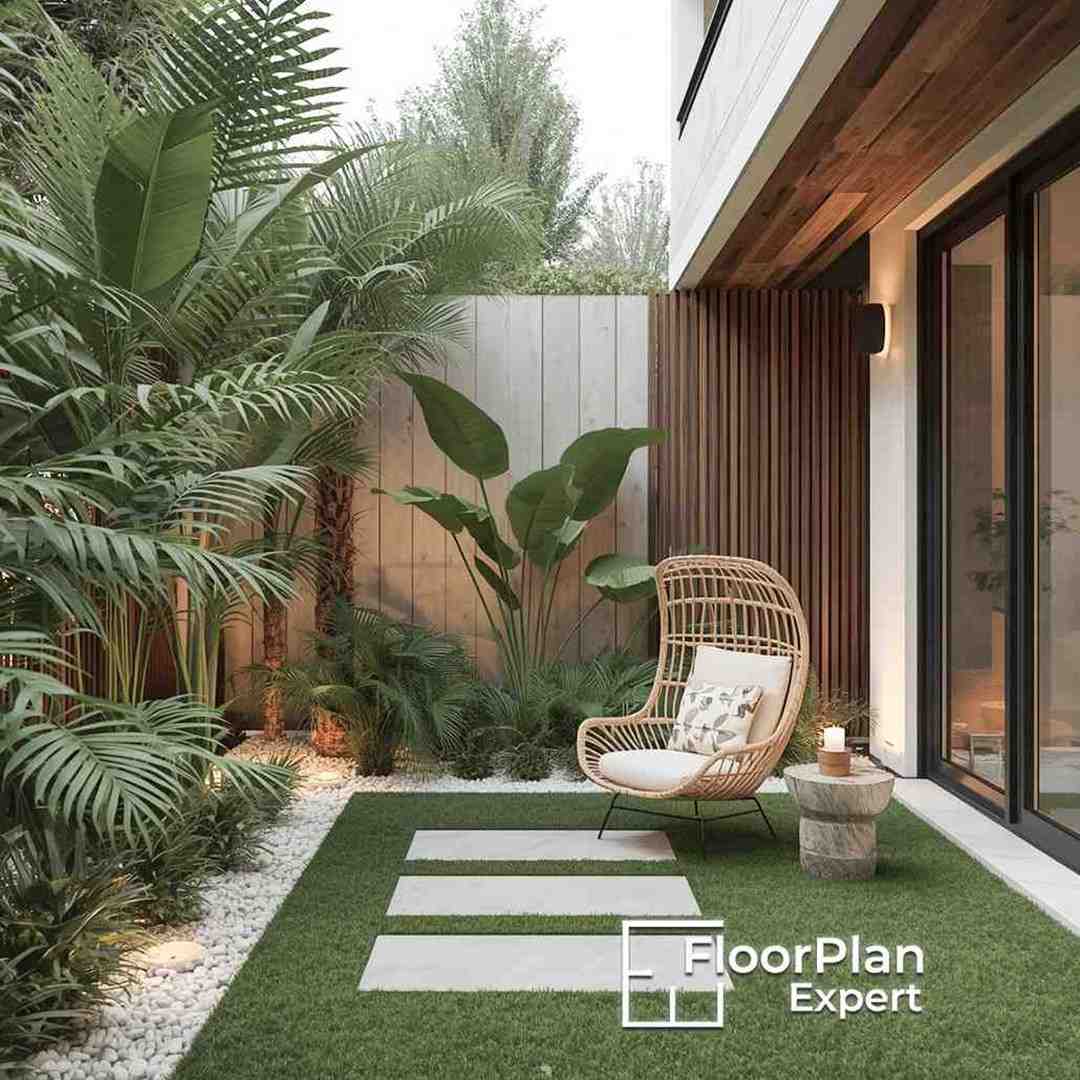
The best low maintenance garden ideas focus on reducing ongoing upkeep while maintaining an attractive outdoor space. Replacing large lawns with paving or gravel, selecting drought-tolerant perennial plants, installing an automatic irrigation system, and incorporating raised beds with hardy shrubs can significantly reduce the need for watering, weeding, and pruning. These practical choices help create a garden that remains attractive, functional, and easy to maintain throughout the year.
Many gardens become time-consuming because they weren’t designed with maintenance in mind. Homeowners often choose lawns, plants, and decorative features based on appearance alone, without considering the ongoing care they’ll require.
As the garden matures, the workload increases. Lawns need frequent mowing, flower beds attract weeds, plants require regular watering, and fast-growing shrubs demand constant pruning. What begins as an enjoyable outdoor space can quickly turn into another household chore.
A well-designed garden should complement your lifestyle rather than add to your weekly tasks. By identifying high-maintenance features and replacing them with practical, low-maintenance alternatives, you can create a garden that stays attractive while requiring far less time and effort to maintain.
One of the most common mistakes busy homeowners make is assuming that adding more plants will automatically create a more attractive garden. While a garden filled with planting may look appealing, every additional flower bed, shrub, or border also increases the amount of watering, pruning, weeding, feeding, and seasonal maintenance required to keep it looking its best.
The maintenance level of a garden is often determined long before the plants have fully matured. Many homeowners fill every available space without considering how different plants will grow, spread, and compete over time. As they become established, fast-growing varieties can overcrowd neighbouring plants, encourage weed growth, and require frequent pruning to keep the garden under control.
Instead of choosing plants based solely on their appearance, consider how they will perform together as the garden develops.
A low-maintenance planting scheme typically includes:
- Slow-growing varieties.
- Long-lasting perennial plants.
- Reliable ground cover to suppress weeds.
- Drought-tolerant species.
- Plants that thrive in local soil and climate conditions.
Selecting the right plants from the outset helps reduce ongoing maintenance, creating a garden that remains attractive while requiring far less watering, pruning, and general upkeep.
Design the Work Out Before You Plant
The easiest gardens to maintain are those that are planned with long-term upkeep in mind. Before choosing plants, paving, or decorative features, take time to consider how the space will be used throughout the year. A well-planned design helps minimise maintenance while creating a garden that is both practical and enjoyable to use.
Good garden layout planning establishes a clear structure that helps reduce maintenance from the outset. Well-defined planting zones, organised pathways, and purpose-built outdoor areas make the garden easier to manage while preventing plants from spreading into spaces where they become difficult to control.
A carefully planned layout also improves accessibility, making routine tasks such as pruning, mulching, watering, and seasonal cleaning quicker and more efficient.
Although no garden is completely maintenance-free, thoughtful design can greatly reduce the amount of time needed to keep it looking its best. Making practical decisions during the planning stage helps minimise ongoing work while maintaining an attractive outdoor space.
Some effective design choices include:
- Grouping plants with similar watering requirements.
- Reducing large lawn areas where possible.
- Applying mulch to suppress weed growth.
- Creating easily accessible planting beds.
- Choosing durable, low-maintenance hard landscaping materials.
When combined, these simple design decisions reduce regular maintenance and help keep the garden tidy, organised, and easy to manage throughout the year.
Ground Cover That Does the Work for You
Bare soil may not seem like a problem when a garden is newly planted, but it often becomes one of the main reasons for ongoing maintenance. Exposed areas provide the perfect conditions for weeds to grow, leading to regular weeding and unnecessary upkeep throughout the year.
Ground cover plants spread naturally across the soil, forming a dense layer that helps prevent weed growth while locking in moisture. Once established, most varieties require very little maintenance, making them one of the best low maintenance garden ideas for reducing long-term garden work.
Unlike gravel on its own, living ground cover adds colour, texture, and seasonal interest while also supporting pollinators and improving the overall appearance of the garden.
As ground cover plants spread, they shade the soil and reduce the amount of sunlight reaching weed seeds, making it much harder for unwanted plants to grow. This natural barrier significantly reduces the need for regular hand weeding and ongoing maintenance.
Some of the key benefits include:
- Reduces weed growth.
- Helps the soil retain moisture.
- Minimises soil erosion.
- Adds year-round visual interest.
- Lowers long-term maintenance.
Instead of spending time removing weeds every week, ground cover plants help control them naturally while keeping the garden healthy and attractive.
Plants That Thrive on Neglect
A beautiful garden doesn’t have to depend on constant watering, feeding, or regular maintenance. Many plant varieties thrive with minimal care once they are well established, making them ideal for homeowners who want an attractive garden without the ongoing workload.
Perennials are an excellent choice for low-maintenance gardens because they return year after year without needing to be replanted each season. Compared with annuals, they typically require less attention while providing reliable colour, texture, and structure throughout the garden.
As they mature, their root systems become stronger, allowing many perennial varieties to cope better with dry conditions and seasonal weather changes, reducing the need for frequent watering and care.
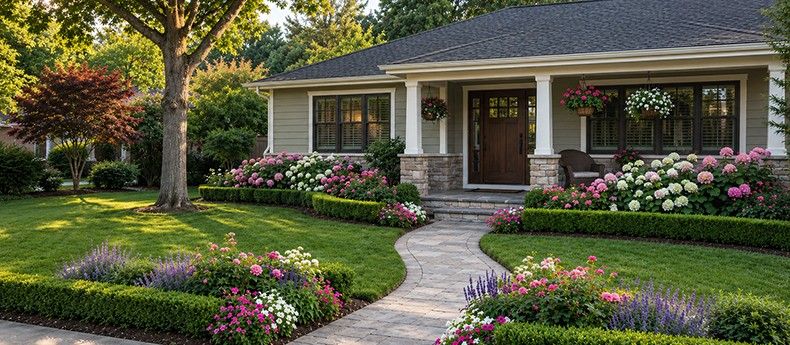
Many simple garden ideas for small backyard spaces focus on selecting the right plants rather than using a large number of different varieties. Grouping carefully chosen plants creates a tidy, cohesive look that is easier to maintain and gives each plant more room to flourish.
Using fewer plant species also simplifies routine tasks such as watering, pruning, and seasonal maintenance while allowing the planting scheme to become a stronger visual feature within the garden.
Hard Landscaping Instead of Lawn
Lawns are often the most maintenance-intensive feature in a garden. Regular mowing, edging, watering, and feeding can quickly become a time-consuming routine, especially during the warmer months when grass grows more rapidly.
Replacing sections of lawn with hard landscaping is an effective way to reduce ongoing garden maintenance while creating attractive and practical outdoor spaces. Materials such as gravel, paving, and composite decking require far less upkeep than natural grass and continue to look well-maintained with minimal effort.
These surfaces also provide versatile areas for outdoor seating, dining, and entertaining, allowing you to enjoy your garden without the constant maintenance associated with large lawn areas.
Popular hard landscaping options include:
- Decorative gravel.
- Natural stone paving.
- Porcelain patios.
- Composite decking.
- Timber sleepers.
When incorporated into a well-planned garden layout, these features create an outdoor space that is functional, visually appealing, and significantly easier to maintain throughout the year.
Simple Garden Ideas for Small Backyard Spaces
A small garden may require less space to maintain, but without a well-planned layout, it can quickly feel crowded and difficult to manage. Poor organisation often leads to overcrowded planting beds, restricted walkways, and outdoor areas that are harder to maintain than expected. A structured design helps every part of the garden serve a purpose while making routine upkeep much easier.
Many homeowners try to make the most of a compact garden by adding more plants, furniture, and decorative features. While this can make the space look full, it often creates a cluttered layout that demands more watering, pruning, weeding, and general maintenance.
Instead, the most successful simple garden ideas for small backyard spaces focus on creating clearly defined zones. Separating planting areas, seating spaces, and pathways helps the garden feel more spacious, organised, and easier to care for throughout the year.
Raised beds provide a simple way to organise a garden by keeping planting areas neat and well-defined. They also improve drainage, reduce soil compaction, and make everyday gardening tasks more comfortable by reducing the need to bend or kneel for long periods.
Some practical ways to improve a compact garden include:
- Installing raised planting beds.
- Using edging to separate lawns and borders.
- Creating dedicated seating areas.
- Choosing multifunctional outdoor furniture.
- Limiting the number of planting zones.
These straightforward improvements create a cleaner, more organised garden while reducing the amount of ongoing maintenance needed to keep it looking its best.
Watering Solutions That Remove the Daily Routine
Watering can become one of the most repetitive and time-consuming parts of garden maintenance, especially during the warmer months. Fortunately, modern irrigation systems make it possible to keep plants healthy and well-watered without the need for daily manual watering, saving both time and effort.
Automated watering systems can be integrated into almost any garden layout planning, whether you have a large landscape or a compact outdoor space. Solutions such as drip irrigation, soaker hoses, and programmable watering systems deliver water directly to the root zone, helping plants receive consistent moisture while using water more efficiently than traditional hose watering.
Some of the key benefits of automated watering include:
- Consistent soil moisture.
- Reduced water consumption.
- Healthier plant growth.
- Less day-to-day maintenance.
- Greater convenience during holidays.
By automating one of the most frequent gardening tasks, these systems make it much easier to maintain a healthy, attractive garden while significantly reducing the time spent on regular upkeep.
Seasonal Maintenance That Takes Hours Not Weekends
A low-maintenance garden doesn’t mean eliminating maintenance altogether, it means reducing frequent weekly tasks and replacing them with occasional seasonal care. With the right planting scheme and garden layout, a few planned maintenance sessions each year are often enough to keep the garden healthy, tidy, and looking its best.
Rather than spending every weekend mowing, weeding, and pruning, a well-designed low-maintenance garden usually only requires attention during the spring and autumn. Completing essential tasks at these key times helps prevent larger maintenance issues from developing throughout the rest of the year.
Typical seasonal maintenance includes:
- Refreshing mulch around planting beds.
- Light pruning of shrubs and perennials.
- Inspecting irrigation systems.
- Clearing fallen leaves.
- Applying slow-release fertiliser where required.
Carrying out these seasonal tasks at the appropriate time greatly reduces the need for ongoing maintenance, allowing you to enjoy a well-kept garden without dedicating every weekend to its upkeep.
When Your Garden Needs a Layout Rethink
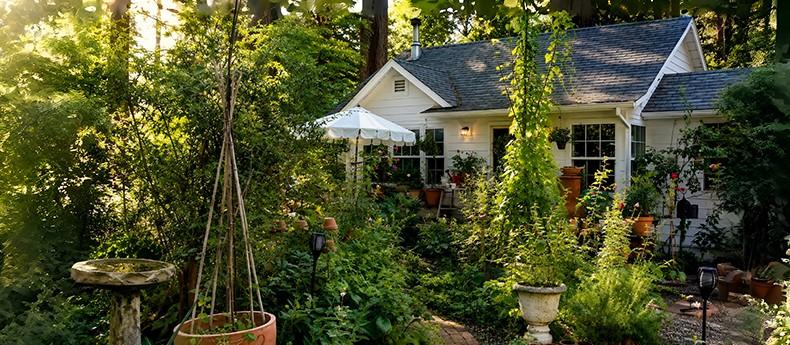
Sometimes, the issue isn’t the plants themselves, it’s the way the garden has been designed. If you find yourself spending every weekend mowing, pruning, weeding, and carrying out endless maintenance, the layout may no longer be working for your lifestyle. Rather than putting in more effort, rethinking the overall design can often provide a simpler and more lasting solution.
Effective garden layout planning is about designing a garden that’s as easy to maintain as it is attractive. Instead of focusing solely on appearance, every pathway, planting bed, and hard landscaping feature should be planned to minimise ongoing maintenance while creating a practical and enjoyable outdoor space.
A well-planned layout typically:
- Reduces unnecessary lawn areas.
- Groups plants with similar watering and maintenance needs.
- Improves access for seasonal gardening tasks.
- Incorporates durable, low-maintenance materials.
- Creates a balanced layout that’s simple to care for.
Instead of constantly working around your garden, a thoughtfully designed layout allows the garden to work around your lifestyle. That’s what makes the best low maintenance garden ideas so effective, they continue to look attractive, stay functional, and require minimal upkeep long after the initial planting has been completed.
Conclusion
Creating a beautiful garden doesn’t have to involve endless hours of maintenance. The most effective low maintenance garden ideas focus on thoughtful planning, practical planting choices and materials that continue looking attractive with minimal effort. From reducing lawn areas and introducing ground cover to choosing hardy perennials and incorporating automated watering, every decision contributes to a garden that’s easier to manage all year round.
Whether you’re redesigning a large outdoor space or looking for simple garden ideas for small backyard areas, investing time in garden layout planning from the beginning will always pay off. A well-designed garden not only reduces weekly upkeep but also creates a more enjoyable outdoor space that fits naturally into a busy lifestyle.
FAQs
What are the best low maintenance garden ideas for busy homeowners?
Ground cover planting, hard landscaping, perennials and automated irrigation are among the most effective ways to reduce ongoing garden maintenance.
How can I make a small garden easier to maintain?
Use clear zones, raised beds and a simple planting scheme. Many simple garden ideas for small backyard spaces focus on reducing clutter while improving functionality.
Do low-maintenance gardens still need watering?
Yes, but automated watering systems and drought-tolerant plants can significantly reduce the amount of manual watering required.
Why is garden layout planning important?
Good garden layout planning improves accessibility, reduces maintenance and ensures every part of the garden is practical as well as attractive.
Are lawns difficult to maintain compared to hard landscaping?
Generally, yes. Gravel, paving and decking usually require far less ongoing maintenance than traditional lawns while providing attractive and functional outdoor spaces.


