
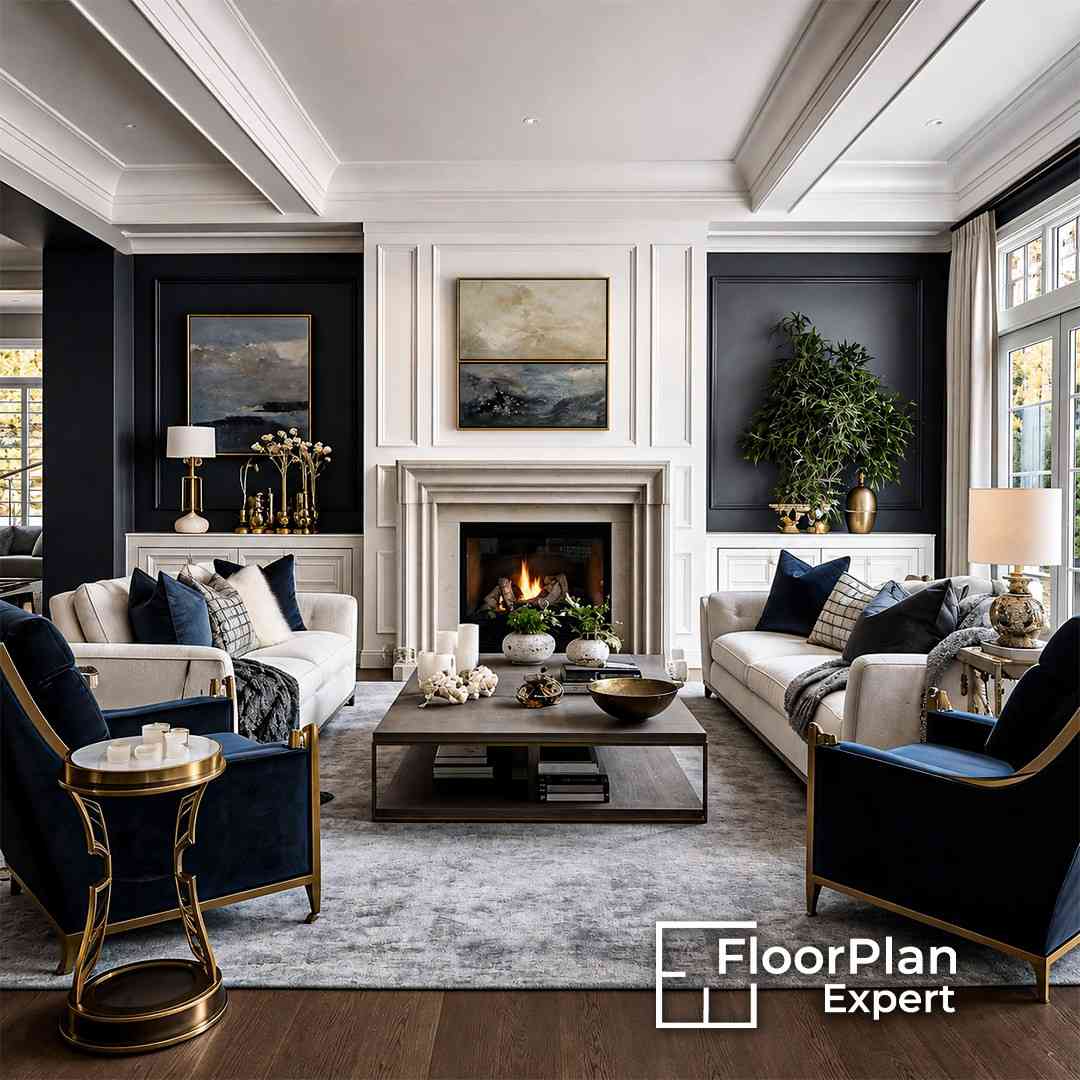
Traditional interior design is often worth investing in because its timeless character can remain appealing for years. Classic furniture, balanced proportions, natural materials, and understated colours create spaces that do not rely heavily on short-lived trends. Choosing quality pieces and adaptable finishes within a traditional interior design scheme can also make future updates easier without requiring a complete redesign.
Why Some Homes Never Feel "Out of Date"
Every homeowner wants to improve their property without spending more than necessary. DIY projects can reduce labour costs and offer greater control, while professional work brings experience, specialist tools, and a better understanding of technical requirements.
The right choice depends on the project’s complexity, your skills, available time, budget, and the result you want to achieve. Evaluating these factors early can help you avoid costly mistakes and choose the approach that makes the most practical sense.
Trendy interiors often revolve around a specific colour palette, material, furniture shape or decorating style. While these choices can look fresh and exciting at first, their appeal may fade as tastes change, leaving the room feeling tied to a particular moment.
Timeless interiors take a more balanced approach. Their main elements are usually considered and understated, making it easier to replace individual pieces or introduce new details without having to redesign the entire space.
That doesn’t mean a timeless home has to feel plain or lack personality. Traditional interiors, in particular, can be deeply personal and distinctive. House & Garden’s designers approach traditional style in different ways, but their ideas consistently place importance on quality, proportion, craftsmanship and working with the architectural character of the home.
One of the biggest strengths of traditional interior design is its ability to work with the architecture rather than compete with it. Instead of forcing a home to follow the latest decorating trend, it takes the building’s original character as the starting point.
A Victorian house, Georgian property or mid-century home each has its own proportions, details and visual character. A timeless interior respects those qualities and uses them to shape the overall design, rather than hiding them beneath fashionable finishes that may quickly date.
Features such as skirting boards, architraves, fireplaces, doors, cornices and panelling can create a lasting visual foundation for the room. Many of these details also developed from practical needs rather than decoration alone, which helps explain why they can still feel natural and relevant in interiors today.
The Building Blocks of a Truly Timeless Home
A timeless interior isn’t dependent on one fashionable colour, furniture trend or decorating style. It comes from bringing together well-chosen materials, balanced proportions and enduring finishes that work naturally alongside one another.
When these elements are considered as a whole, the room can adapt as tastes change without losing its character. Individual furniture pieces, colours or accessories can be updated over time while the overall design continues to feel cohesive and relevant.
Neutral colours don’t have to make a room feel plain. Soft whites, warm greys, muted greens, earthy blues, stone-inspired shades and natural timber can create a versatile backdrop that works well with different furniture, artwork and decorative pieces.
What matters most is how the colour looks in the room itself. Natural light, the direction the room faces and the materials around it can all affect how a particular shade appears throughout the day.
Instead of choosing a colour simply because it is fashionable now, think about whether you would still be happy living with it when that trend has passed. A timeless scheme should feel right for the room, not just right for the current season.
Traditional interiors can also benefit from carefully layered finishes. Combining paint, timber, textiles, wallpaper and aged metals adds texture and character, creating a richer space without making the room feel overly decorated.
Furniture is one of the areas where choosing well-made pieces can make a real difference over time. A solid wooden dining table, a well-constructed sofa or a classic armchair can remain useful for years, even as the colours, accessories and other elements around them change.
A better approach is to spend more selectively on furniture that would be difficult or costly to replace, while using smaller decorative items to bring in new styles and personality.
A strong foundation might include:
- A comfortable, well-proportioned sofa.
- A sturdy dining table.
- Quality occasional chairs.
- A practical storage piece.
- A well-made bed.
Cushions, lamps, artwork and other smaller accessories are much easier and more affordable to replace when your preferences change, allowing the main furniture to remain a dependable part of the room.
Craftsmanship is often what separates a genuinely timeless piece from something that has simply been designed to look traditional. Well-made furniture tends to retain its appeal because its quality, construction and proportions continue to work even as decorating preferences change.
The same idea applies to contemporary interiors. A beautifully crafted cabinet with simple, well-considered details can still look relevant years from now, while a poorly made piece covered in fashionable decoration may quickly feel dated once that particular style falls out of favour.
Modern Traditional Interior Design: Old-World Charm, New-World Comfort
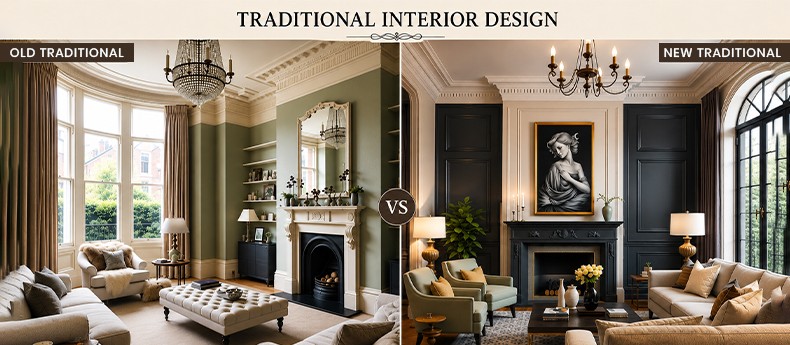
Traditional style doesn’t have to feel dated or stuck in the past. Modern traditional interior design brings together the character of classic interiors with the comfort and practicality expected from a contemporary home.
It keeps the qualities that give traditional spaces their lasting appeal balanced proportions, symmetry, natural materials, architectural details and good craftsmanship while adapting them to modern lifestyles. The result feels familiar and refined without becoming overly formal or old-fashioned.
A period home doesn’t have to feel like a snapshot from another era. Keeping original features such as cornicing and fireplaces can preserve the property’s character while modern additions make the space more comfortable and relevant to everyday life.
You could introduce:
- Contemporary artwork.
- Modern lighting.
- Simple upholstery.
- Streamlined storage.
- Modern appliances.
- More relaxed furniture arrangements.
Combining old and new can make both feel more distinctive. Traditional details gain a fresher context, while contemporary pieces feel warmer and more characterful against an older architectural backdrop.
Homes & Gardens has also explored how designers combine vintage features such as chintz, rattan, embroidered textiles and mid-century furniture with contemporary interiors. The key is thoughtful selection rather than trying to reproduce an entire historical period.
One easy way to make an interior feel artificial is to make everything match too closely. When the sofa, curtains, wallpaper, lighting, furniture and accessories all appear to come from the same period or collection, the room can lose the character that makes a home feel personal.
A better approach is to introduce some contrast and allow different styles to work together. A contemporary lamp can add freshness beside an antique table, while modern artwork can bring energy to traditional panelling. Similarly, a simple sofa can provide a calm counterpoint to an ornate fireplace.
The aim isn’t perfect coordination. It is creating a room where different pieces feel naturally collected over time rather than carefully staged all at once.
Designing a Timeless Interior Design Kitchen
Kitchens are especially prone to passing trends because they contain so many fixed and costly features. Cabinetry, worktops and appliances aren’t things most homeowners can realistically replace every few years simply because a particular style has gone out of fashion.
That is why choosing a design with lasting appeal matters. A well-planned kitchen should feel current without depending too heavily on short-lived trends, allowing smaller details to change as your tastes evolve while the main design continues to work for years.
Classic cabinetry remains popular because it can work across different interior styles without feeling tied to a particular trend. Shaker-style doors, for instance, use simple framed detailing that suits both traditional and contemporary kitchens. Homes & Gardens designers also highlight Shaker cabinetry, oak and thoughtfully used decorative mouldings as choices with lasting appeal.
Natural timber is another option that can age gracefully. Oak can develop more character as it matures, giving the kitchen a sense of warmth rather than making it look increasingly dated. Quality timber cabinetry can also offer the durability and flexibility needed for long-term use.
For worktops, durable natural or engineered stone can create a strong foundation that lasts for years. The right option should still depend on how much maintenance you are comfortable with and how heavily the kitchen is used.
Hardware, taps, lighting and splashbacks may be smaller features, but they can have a surprisingly strong effect on the overall character of a kitchen. Choosing them carefully can help the room feel balanced rather than tied to one particular trend.
This is where keeping things simple can work in your favour. Instead of choosing a highly distinctive finish that takes over the room, select details that complement the cabinetry, materials and architectural character already in place.
Painted cabinetry also offers useful flexibility. It can often be refreshed later without replacing the entire kitchen, making it easier to update the space as your preferences change. Homes & Gardens designers also highlight hand-painted finishes because individual damaged areas can be repaired and colours can be changed over time.
Room-by-Room Ideas That Hold Their Character Over Time
Timeless design doesn’t require every room to follow the same look. Each space can have its own personality and atmosphere while still feeling connected to the rest of the home through consistent principles such as quality, proportion, thoughtful materials and lasting finishes.
A timeless living room should begin with furniture that feels genuinely comfortable, along with a clear feature that gives the room a natural focus. This could be a fireplace, large window, artwork or another architectural detail that helps shape the arrangement.
Symmetry can bring a sense of balance without making both sides of the room identical. At the same time, practicality should never be overlooked. A sofa may look beautiful, but if it isn’t comfortable enough to use every day, it hasn’t achieved its purpose.
Traditional features such as panelling, cornices, fireplaces and deep skirting can also create a strong architectural backdrop. These elements can remain relevant even when the furniture, colours and accessories are changed over time.
Bedrooms often work best when the design feels calm and understated rather than heavily influenced by passing trends. Natural fabrics, warm neutral tones, timber furniture and gentle lighting can create a comfortable atmosphere that remains appealing over time.
Instead of filling the room with several statement pieces, choose one or two features that bring personality to the space. A patterned headboard, traditional bedside tables or a distinctive piece of artwork can provide visual interest while the rest of the room remains simple and supportive.
Smaller rooms can often make the most of traditional architectural details. A compact hallway with wall panelling, a small study with built-in cabinetry or a cloakroom finished with distinctive wallpaper can feel much more considered than one filled with standard modern finishes.
Because these spaces have less area to work with, even a single well-chosen detail can create a strong visual impression. A little character can go a long way without making the room feel crowded or overdecorated.
Planning a Home Extension Without Breaking the Design Flow
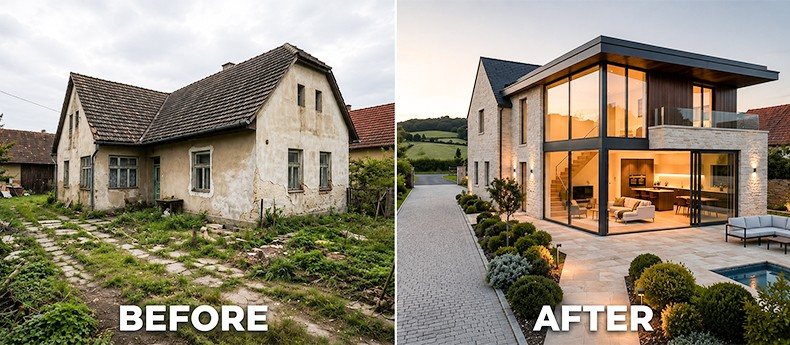
An extension should feel like a natural continuation of the original home rather than an addition that looks disconnected. Good home extension design considers the existing property’s proportions, materials, architectural details and layout, helping the new space blend comfortably with what is already there.
An extension doesn’t have to copy the original property in every detail to feel connected to it. A contemporary addition can sit beautifully alongside an older home when the design creates a thoughtful relationship between the new and existing spaces.
Consider:
- Floor levels.
- Window proportions.
- Ceiling heights.
- Materials.
- Sightlines.
- Door openings.
- Architectural detailing.
A recent Ideal Home example shows how this balance can work in an Edwardian property. The contemporary kitchen extension introduced Crittall doors, modern appliances and a large multifunctional island while still respecting the character and heritage of the original home.
Materials can help create a sense of continuity even when the older and newer parts of a home have distinctly different architectural styles. Using elements such as timber, stone, brick, natural plaster or carefully chosen metal finishes in both areas can subtly link the spaces together.
There is no need to match every material throughout the house. Repeating certain colours, textures or finishes in thoughtful ways can create enough visual connection for the original home and new extension to feel like part of the same property.
How to Future-Proof Your Interior
A timeless home isn’t one that stays exactly the same forever. In fact, trying too hard to keep everything unchanged can eventually make an interior feel more dated.
A better approach is to invest in a strong, lasting foundation and leave room for the decorative details to change. Furniture, artwork, colours and accessories can then evolve with your taste without requiring a complete redesign of the space.
Start by taking care of the elements that are harder to replace. Touch up worn paint, repair tired finishes, look after timber and keep original architectural details in good condition. Even a well-designed traditional room can start to look tired when small signs of wear, such as marked walls, faded cushions or neglected finishes, begin to build up.
After that, make smaller updates where they will have the most impact. You might:
- Change lampshades instead of replacing the entire light fitting.
- Reupholster a favourite chair.
- Add new artwork.
- Refresh cushions and other soft furnishings.
- Repaint cabinetry.
- Rearrange the furniture.
- Replace dated handles and other hardware.
These simple changes allow the home to evolve without losing the character that made it work in the first place. The best modern traditional interior design schemes recognise that timelessness isn’t about keeping a home frozen in one moment; it’s about creating a space that can naturally adapt as life and tastes change.
Conclusion
Creating a timeless home isn’t about avoiding every new trend. It’s about knowing which parts of your interior deserve to last and which details can easily be updated when your tastes change.
Traditional interior design offers a strong starting point through its focus on proportion, craftsmanship, architectural character and materials that become more appealing with age. Modern traditional interior design builds on these qualities by introducing contemporary comfort, technology and the practical needs of everyday life.
This approach becomes especially valuable in kitchens and extensions, where major decisions can remain in place for many years. A well-designed timeless interior design kitchen can be refreshed through new colours, hardware, lighting and accessories instead of requiring a complete overhaul. Likewise, thoughtful home extension design can create valuable additional space while maintaining a natural connection with the original property.
Ultimately, a timeless interior should feel personal rather than tied to a particular year, catalogue or passing trend. Invest carefully in the elements that matter, choose quality where it will make a difference, and leave enough flexibility for the home to grow and change with the people who live in it.
FAQs
What makes traditional interior design timeless?
Traditional interior design uses balanced proportions, quality materials, craftsmanship and architectural details that aren’t tied to passing trends.
Can traditional interior design look modern?
Yes. Modern traditional interior design combines classic features with contemporary furniture, lighting, artwork and finishes.
What is a timeless interior design kitchen?
A timeless interior design kitchen uses durable materials, adaptable cabinetry, classic proportions and finishes that can be updated over time.
How can I make a home extension match an older house?
Good home extension design considers proportions, materials, windows, floor levels and the relationship between the existing and new spaces.
How do I keep a traditional home from looking old-fashioned?
Keep the original character while adding contemporary furniture, lighting, artwork and colours, and maintain the existing architectural details.


