

Knowing when it’s time for moving to a bigger house UK often comes down to how well your home supports your daily life. If your family has grown, storage is limited, rooms feel overcrowded, or your lifestyle has changed, you may have outgrown your current property. Assessing both your space needs and future plans helps you decide whether moving is the right choice.
Many homeowners continue living in properties that no longer meet their needs because moving can feel costly, disruptive, and full of uncertainty. Rather than tackling the root cause, they gradually adjust their daily routines, often compromising on comfort, convenience, and the way they use their home.
It’s common for people to delay moving because:
- Children continue sharing bedrooms longer than expected.
- Home offices replace dining or living areas.
- Storage gradually takes over valuable living space.
- Planned renovations are repeatedly postponed.
- The cost of moving feels overwhelming.
Although these adjustments may seem manageable at first, they often become more noticeable over time, making everyday life less practical and the home increasingly difficult to live in comfortably.
When considering moving to a bigger house UK, many homeowners ask themselves, “Can we make this house work?” A far more valuable question is, “Will this home continue to meet our needs over the next five or ten years?” Looking beyond the immediate situation helps you assess whether your current property can support future lifestyle changes instead of only solving today’s challenges.
Taking a long-term view often leads to more confident and practical decisions. By thinking about how your family’s needs may evolve over time, it’s easier to decide whether staying, extending, or moving is the best solution for the years ahead.
A home rarely stops meeting your needs all at once. More often, the warning signs develop gradually, becoming part of everyday life until the space no longer feels practical or comfortable. Because these changes happen over time, many homeowners don’t realise how much they’re compromising until the limitations begin to affect their daily routine.
Common signs include:
- Running out of storage space.
- A lack of privacy.
- Frequently rearranging furniture to make the space work.
- Rooms being used for multiple purposes at the same time.
- Ongoing frustration with the home’s layout.
Why House Feel too Small are Often a Layout Problem First
Feeling that your house is too small doesn’t always mean you need more space. In many cases, the existing floor area is sufficient, but the layout fails to support the way modern households live. Poor room connections, inefficient circulation, and underused areas can make even a reasonably sized home feel cramped and impractical.
Common layout issues include:
- Separate rooms that could be better connected.
- Poorly planned storage.
- Oversized hallways.
- Underused dining rooms.
- Difficult furniture arrangements.
Addressing these layout challenges can make a noticeable difference to how spacious and functional a home feels. In many cases, improving the way the space is organised is enough to enhance everyday living without increasing the size of the property.
Once homeowners identify what’s actually causing the problem, they often realise that moving isn’t the only solution. In many cases, reconfiguring the layout, improving storage, or making better use of the existing space can resolve the issue without the expense and disruption of relocating. A well-planned redesign may deliver the extra functionality needed at a much lower cost.
Understanding whether the challenge is caused by an inefficient layout or a genuine shortage of space provides a much clearer foundation for making long-term decisions. It helps homeowners choose the solution that best suits their lifestyle, budget, and future plans.
The Life Changes That Make Moving the Right Call
Sometimes, the need for a larger home isn’t caused by the layout, it’s the result of significant changes in everyday life. A growing family, long-term remote working, or taking on the responsibility of caring for elderly relatives can create space requirements that the original property was never intended to support. As these changes become part of daily life, the home may no longer provide the flexibility or functionality your household needs.
In these situations, adapting the existing property can become increasingly difficult or no longer be practical. When the available space can no longer accommodate your lifestyle, moving to a larger home may be the most effective long-term solution.
The way people use their homes has changed significantly over the years, and many older UK properties were not designed to accommodate today’s lifestyles. As families grow and remote working becomes a long-term arrangement, the demand for additional, more flexible living space naturally increases. What once felt like a comfortable home can gradually become less practical as household needs continue to evolve.
Changing priorities often include:
- Additional bedrooms.
- Dedicated home offices.
- Larger kitchens.
- Flexible family spaces.
- Multi-generational living.
As these requirements become part of everyday life, homeowners often need to decide whether extending their existing property is still a practical option or whether moving to a bigger house UK offers a more suitable long-term solution.
The property market can have a major impact on the overall cost of moving house. Buying during periods of rising house prices may increase not only the price of your next home but also the related expenses involved in moving. Understanding current market conditions can help you make a more informed financial decision rather than rushing into a purchase at the wrong time.
Carefully considering the timing of both selling your current property and buying your next one provides a clearer picture of the total costs involved. Taking this broader view allows homeowners to plan with greater confidence, manage their budget more effectively, and avoid unexpected financial pressures during the moving process.
When House Extension Ideas Make More Sense
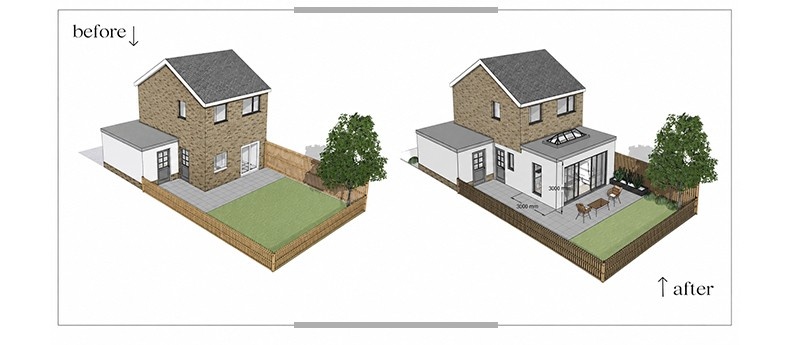
Before choosing to move, many homeowners find that extending their existing property is a more practical and cost-effective way to create additional living space. Instead of covering the expenses involved in buying and moving to another home, an extension allows you to stay in a familiar neighbourhood while improving the way your home functions for your family’s changing needs.
Whether this is the right solution depends on several factors, including the property’s layout, the amount of available outdoor space, and any planning or building restrictions. Assessing these considerations early helps homeowners determine whether house extension ideas can provide the extra space they need without the disruption of relocating.
For many homeowners, house extension ideas can offer better value for money than moving to a larger property. Although every project is different, extending an existing home often creates additional living space while increasing the property’s long-term value, without the costs and disruption that come with relocating. It also allows families to remain in a neighbourhood they already know and enjoy.
Popular extension options include:
- Rear extensions.
- Side return extensions.
- Loft conversions.
- Garage conversions.
- Double-storey extensions.
Each option provides a different way to create extra space, depending on the property’s layout and the household’s needs. Choosing the right type of extension allows homeowners to improve how their home functions while continuing to enjoy the benefits of their current location.
When weighing up the options, many homeowners focus mainly on the cost of building an extension but overlook the additional expenses involved in moving. Looking beyond construction costs provides a more accurate picture of the overall financial commitment and can help you make a better-informed decision.
The cost of moving house often includes:
- Stamp Duty.
- Legal fees.
- Survey costs.
- Mortgage arrangement fees.
- Estate agent fees.
- Removal services.
Comparing these expenses alongside the cost of an extension allows homeowners to assess both options more fairly. In many cases, reviewing the full financial picture makes it easier to determine which solution offers the best long-term value.
Not every home needs a major structural transformation to create more space. When the existing layout already works well, carefully planned house extension ideas can add valuable living space without disrupting the property’s character or the way it functions. In many cases, a well-designed extension enhances the home while building on the strengths of the current layout.
By making the most of an already efficient floor plan, homeowners can create extra room that supports future needs without unnecessary alterations. This approach helps preserve the home’s original character while delivering a practical, long-term solution that grows with the household.
Why Cost of Moving House Is Higher Than Most People Budget
Many homeowners are surprised by how quickly the cost of moving house adds up. While the purchase price usually receives the most attention, a range of additional expenses can significantly increase the overall cost of moving. Failing to account for these costs can place unnecessary pressure on your budget during an already demanding process.
Typical moving expenses include:
- Stamp Duty Land Tax.
- Solicitor and conveyancing fees.
- Property surveys.
- Mortgage costs.
- Removal services.
- Insurance changes.
- Utility connection charges.
Planning for these expenses from the beginning provides a clearer understanding of the total cost involved. Building these additional fees into your budget early helps avoid unexpected financial pressure and makes the moving process far easier to manage.
The Hidden Costs Nobody Mentions
When planning a move, most homeowners focus on the purchase price, legal fees, and removal costs. However, the cost of moving house often continues well beyond the day you collect the keys. Once you’ve settled into your new home, additional expenses can quickly emerge, many of which are easy to overlook during the initial planning stage. These unexpected costs can have a significant impact on your overall budget and the true affordability of the move.
Understanding these hidden expenses before committing to moving to a bigger house UK allows you to make a more realistic financial comparison with extending your current home. Looking at the complete picture not just the upfront costs helps you choose the option that offers the best long-term value for your lifestyle and budget.
Many homeowners underestimate the cost of moving house because it’s easy to focus on the purchase price and overlook the many additional expenses that arise along the way. Even when the buying and selling process goes smoothly, unexpected costs often become unavoidable, increasing the overall financial commitment beyond the original budget.
Hidden expenses can include:
- New furniture for larger rooms.
- Flooring or decorating.
- Utility connection and setup charges.
- Window coverings.
- Garden improvements.
- Increased council tax.
- Higher heating and maintenance costs.
Looking beyond the initial purchase costs provides a more realistic understanding of the long-term financial commitment. Factoring in these additional expenses early helps homeowners plan more effectively and decide whether moving offers better value than improving their existing property.
How to Know Your Home Cannot Be Extended
While extending a property can be an excellent way to create more living space, it isn’t always a practical or achievable solution. Factors such as the size of the plot, planning restrictions, neighbouring properties, or structural limitations can make an extension difficult or, in some cases, impossible. Every home has its own constraints, so it’s important to understand what is realistically achievable before making any long-term decisions.
Before deciding whether house extension ideas are the right option, it’s worth assessing the property’s development potential. Identifying these limitations at an early stage helps homeowners determine whether extending is a viable solution or whether moving to a larger home is likely to be the better long-term choice.
Not every property has the potential to be extended. Limited outdoor space, neighbouring buildings, planning restrictions, or previous extensions can all reduce the opportunities for further development. Even if additional space is needed, these constraints may make certain house extension ideas impractical or prevent them from receiving approval.
Factors that can restrict house extension ideas include:
- Small garden size.
- Boundary restrictions.
- Conservation area requirements.
- Listed building status.
- Structural limitations.
- Existing extension history.
Understanding these limitations before exploring design options saves both time and money. An early assessment helps homeowners focus on solutions that are realistic, achievable, and more likely to meet planning and building requirements.
If professional advice confirms that your property cannot be extended in a meaningful way, deciding on moving to a bigger house UK often becomes much more straightforward. Rather than continuing to invest time and money in a home that cannot meet your future needs, you can move forward with confidence, knowing that every practical alternative has already been carefully considered.
Having this clarity removes much of the uncertainty from the decision-making process. Instead of wondering whether extending is still an option, homeowners can focus on finding a property that better suits their lifestyle, long-term plans, and space requirements.
What the UK Property Market Means for Your Timing

The timing of a house move can have a significant impact on both affordability and long-term financial value. Factors such as property prices, mortgage interest rates, and local market demand all influence what you can afford and how much you may need to borrow. Focusing only on your current need for more space, without considering market conditions, can sometimes result in higher overall costs.
When property prices are increasing, moving to a bigger house UK often costs more than many homeowners initially expect. As the value of larger homes rises, the additional amount needed to upgrade can increase, along with many of the costs associated with the move. Even if your current property has appreciated in value, the price difference between your existing home and the one you want may have grown even further.
A rising market can increase:
- Purchase price.
- Stamp Duty.
- Mortgage repayments.
- Deposit requirements.
- Associated moving expenses.
Understanding how market conditions affect the overall cost of upgrading helps homeowners make better-informed decisions. Assessing both the property market and personal finances before moving can provide a clearer picture of whether it’s the right time to buy a larger home.
Making the Final Decision - Extend or Move
There is no universal answer when deciding whether to extend your current home or move to a larger one. The right choice depends on a combination of factors, including your property’s potential for expansion, your financial situation, and the way you expect your lifestyle to evolve in the years ahead. Taking the time to evaluate these factors carefully will help you make a decision that continues to work well in the long term.
Rather than focusing only on gaining extra square footage, consider how each option will support your daily life over the next decade. A solution that aligns with your future plans, budget, and living requirements is far more valuable than simply choosing the one that provides the most additional space.
Conclusion
Deciding whether to stay in your current home or move to a larger one involves much more than finding an extra bedroom. Many homeowners assume their house is simply too small, when in reality the issue may be caused by an inefficient layout, limited storage, or rooms that no longer suit the way they live. Taking the time to evaluate how your home functions before making a major financial commitment can help you avoid unnecessary costs and make a more confident long-term decision.
Comparing the cost of moving house with practical house extension ideas is one of the most effective ways to assess every available option. While some homes can be successfully adapted to meet changing family needs, others may not have the space or potential for further development. By carefully considering your lifestyle, budget, future plans, and the possibilities of your existing property, you’ll be in a much stronger position to decide whether extending your home or moving to a bigger house UK is the right choice for the years ahead.
FAQs
How do I know if it’s time to move to a bigger house?
If your home no longer meets your daily needs, even after improving the layout or storage, it may be the right time to consider moving to a bigger house UK. Growing families, remote working, and changing lifestyles are some of the most common reasons homeowners decide to upsize.
What is the average cost of moving house in the UK?
The cost of moving house depends on the property’s value and location, but it typically includes Stamp Duty (where applicable), legal fees, surveys, mortgage costs, estate agent fees, removal services, and other post-move expenses.
Is extending cheaper than moving?
In many cases, yes. Well-planned house extension ideas can provide extra living space without many of the costs associated with buying another property. However, the right choice depends on your property’s potential and planning restrictions.
How do I know if my house can be extended?
An architect, designer, or planning consultant can assess your property’s layout, plot size, planning constraints, structural limitations, and permitted development rights to determine whether an extension is feasible.
Should I move or extend if I need more space?
It depends on your home’s potential and your long-term needs. If your property can be extended effectively, it may offer better value. If planning restrictions, plot size, or the location limit future improvements, moving to a bigger house UK is often the more practical solution.


