
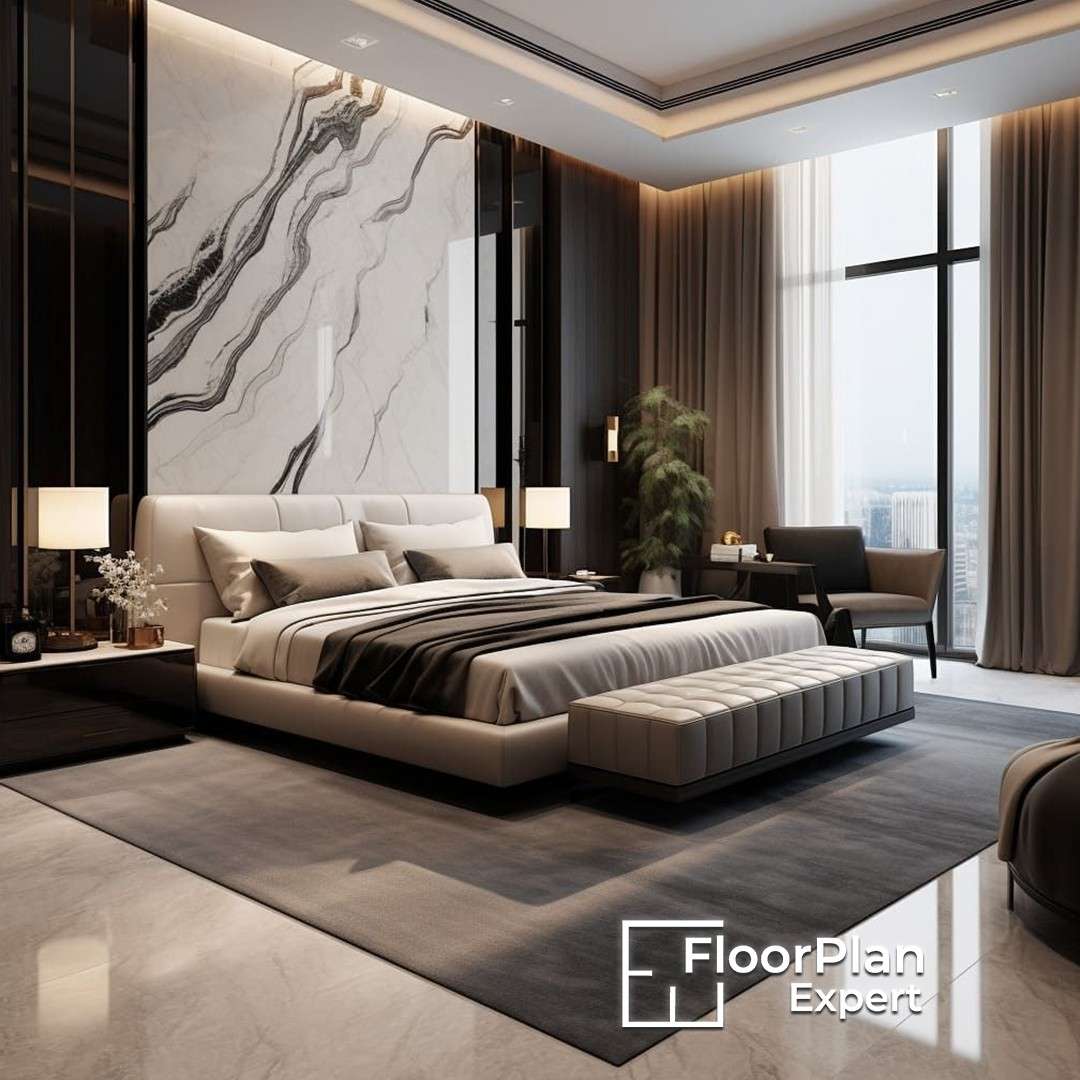
Yes, it does. The direction your bedroom faces has a direct impact on when sunlight enters the room, how long it stays, and the overall quality of natural daylight available throughout the day. Even two bedrooms with the same window size and layout can feel noticeably different if they face different directions within the same property.
Natural light plays a key role in shaping the comfort, appearance, and functionality of a bedroom. It affects the overall ambience of the space, influences your daily routine, supports energy levels, and can even contribute to better sleep. While it’s common to focus on furniture, colour schemes, and décor, the direction your bedroom faces often has a greater impact on the room’s comfort than its interior design.
The amount of natural light in bedroom spaces depends on more than just the size or number of windows. Factors such as the room’s orientation, nearby buildings, the internal layout of the property, and the overall house floor plan design all affect how daylight enters the space during the day. Understanding these elements before buying, renovating, or building a home can help you create a bedroom that feels brighter, more comfortable, and better suited to everyday living.
The Four Main Bedroom Directions
Each bedroom direction has its own unique benefits. Instead of trying to identify one direction as the “best” for every home, it’s more useful to understand how each orientation affects natural light at different times of the day.
- East-facing bedrooms enjoy bright morning sunlight.
- South-facing bedrooms receive the highest amount of daylight throughout the day.
- West-facing bedrooms benefit from stronger afternoon and evening sunlight.
- North-facing bedrooms experience softer, more even natural light with minimal direct sunshine.
Since every orientation offers a different lighting experience, choosing the right bedroom direction should depend on how you want to use the space and the type of natural light that best suits your daily routine.
Many people believe that larger windows are the key to a brighter bedroom. Although the size of the glazing does affect the amount of daylight entering a room, the direction the bedroom faces often has a greater influence on the overall lighting throughout the day.
For example, a smaller window in a south-facing bedroom can receive more natural daylight than a larger window in a north-facing room. External factors such as mature trees, neighbouring buildings, and roof overhangs can also limit the amount of sunlight entering a space, regardless of how large the windows are.
The brightest and most comfortable bedrooms are usually achieved by combining the right orientation with a well-planned house floor plan design. This approach helps maximise consistent natural daylight instead of relying solely on larger windows.
East Facing Bedroom
An east facing bedroom is widely regarded as one of the best options for homeowners who enjoy waking up to natural daylight. Its orientation allows the room to benefit from the first rays of the morning sun, creating a bright and refreshing start to the day.
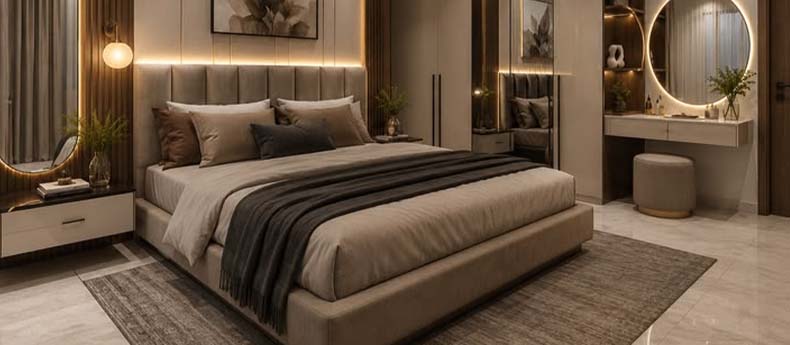
An east facing bedroom receives direct sunlight soon after sunrise, filling the space with gentle morning light. This natural daylight creates a fresh and uplifting atmosphere while helping to support your body’s circadian rhythm, making it easier to wake naturally without relying solely on artificial lighting.
Morning sunlight is also softer than the intense light experienced later in the day, allowing the bedroom to feel bright and welcoming without becoming excessively warm during the early hours.
For people with daytime schedules or those who enjoy starting their mornings early, an east facing bedroom provides an energising and comfortable environment.
As the day progresses and the sun moves towards the west, the amount of direct sunlight entering the room gradually decreases. By the afternoon, the bedroom becomes cooler and receives significantly less natural light than it did in the morning.
For many homeowners, this is actually an advantage, as an east facing bedroom stays more comfortable during warm summer afternoons while still offering plenty of morning daylight. However, if you regularly use the bedroom later in the day, you may need to depend more on artificial lighting during the evening compared with a south-facing or west-facing bedroom.
South Facing Bedroom
A south-facing bedroom is often the preferred choice for homeowners who want to maximise natural daylight. Thanks to its orientation, it receives consistent sunlight for much of the day, making it one of the brightest bedroom directions.
In the UK, the sun follows a path that remains largely to the south, allowing south-facing bedrooms to enjoy direct sunlight for longer than rooms facing other directions. This extended daylight keeps the room bright for most of the day and helps create a more open and airy feel, especially during the shorter winter months.
Some of the main advantages include:
- More natural daylight throughout the day.
- Less reliance on artificial lighting.
- Increased solar warmth during colder seasons.
- A brighter, more spacious atmosphere.
For homeowners who value consistent natural light, a south-facing bedroom is one of the most effective options for creating a bright and welcoming space.
West Facing Bedroom
A west-facing bedroom provides a very different pattern of natural light compared to an east-facing room. Instead of enjoying bright mornings, it receives limited direct sunlight early in the day before gradually filling with stronger light during the afternoon and evening.
One of the most noticeable features of a west-facing bedroom is how its lighting changes from one season to another.
During the summer months, the lower evening sun fills the room with warm, golden light, creating a comfortable and inviting atmosphere. At the same time, prolonged afternoon sunshine can cause the room to become warmer towards the end of the day.
In winter, however, the shorter days mean there are fewer hours of afternoon sunlight, so the room receives less natural light and may appear darker than it does during the summer.
Being aware of these seasonal differences can help homeowners make better decisions about furniture placement, window coverings, and interior finishes, allowing them to make the most of the available natural daylight throughout the year.
North Facing Bedroom
A north-facing bedroom offers a unique quality of natural light compared to other bedroom orientations. Instead of receiving extended periods of direct sunlight, it benefits from soft, evenly distributed daylight for much of the day. While this creates a calm and balanced atmosphere, it can also make the room feel less bright without the right design choices.
Although a north-facing bedroom receives limited direct sunlight, effective home design for natural lighting can help maximise the available daylight. By combining the right layout with carefully selected interior finishes, homeowners can create a brighter and more welcoming space without relying solely on the room’s orientation.
Using light-coloured walls, reflective surfaces, and larger windows where possible can help distribute daylight more effectively throughout the room. Positioning mirrors opposite windows also reflects natural light deeper into the space, while keeping bulky furniture away from window openings prevents valuable daylight from being obstructed.
Other effective ways to improve a north-facing bedroom include:
- Choosing light, neutral colour schemes.
- Installing larger or taller windows where practical.
- Using sheer curtains instead of heavy window treatments.
- Placing mirrors to reflect natural daylight.
- Keeping window areas clear of unnecessary obstructions.
With thoughtful planning and the right design elements, a north-facing bedroom can still feel bright, comfortable, and inviting throughout every season.
How House Floor Plan Design Decides Your Bedroom Light?
The direction your bedroom faces is important, but it’s only one factor that affects the amount of natural light the room receives. The internal layout of a property also plays a significant role in determining how daylight moves throughout the home. A well-planned house floor plan design allows natural light to flow more effectively, rather than being restricted by internal walls, hallways, or neighbouring rooms.
The arrangement of nearby rooms can have a noticeable impact on the amount of daylight entering a bedroom. Spaces such as hallways, staircases, bathrooms, and storage rooms positioned between the bedroom and the exterior of the property can reduce the natural light available, even if the bedroom is favourably positioned.
Features such as open-plan layouts, strategically placed windows, and internal glazed doors can help carry daylight further into the home, creating brighter and more inviting interiors without adding extra windows. By considering how each room connects with the rest of the property, homeowners can improve natural light throughout the home instead of focusing only on individual rooms.
What Changes When You Design for Natural Light Early
Maximising natural light is much easier when it’s considered during the early stages of planning rather than after a home has been built. Decisions made at the design stage, such as room orientation, window positioning, roof design, and internal layouts, have a lasting impact on how daylight enters and moves through the property. Planning these elements in advance can help avoid issues that may be difficult or costly to fix later.
A well-planned house floor plan design considers the movement of natural light from the very beginning. Instead of focusing only on fitting rooms within the available space, designers carefully plan the layout based on how sunlight changes throughout the day and across different seasons.
Planning ahead makes it possible to:
- Position bedrooms to receive the most suitable natural light.
- Minimise the need for artificial lighting during the day.
- Improve the home’s overall energy efficiency.
- Create brighter, healthier, and more comfortable living spaces.
- Reduce the likelihood of expensive structural changes in the future.
Designing a home with natural light as a priority not only improves everyday comfort but also enhances the property’s long-term appeal by creating interiors that feel brighter, more spacious, and more inviting.
How to Improve Natural Light Without Changing Direction
Changing the direction of a bedroom isn’t an option for most homeowners, but there are still plenty of effective ways to make the space feel brighter. With the right design choices, you can maximise the natural daylight available without altering the property’s orientation.
Even small adjustments to your home’s layout and interior design can make a noticeable difference to the amount of daylight a bedroom receives. While the room’s direction remains fixed, carefully planned changes to the house floor plan design and interior features can help distribute natural light more effectively.
Some of the most effective improvements include:
- Installing larger windows where planning regulations permit.
- Replacing solid internal doors with glazed options.
- Choosing light-coloured flooring and wall finishes.
- Positioning mirrors to reflect daylight further into the room.
- Keeping window areas free from unnecessary obstructions.
Together, these improvements can make a bedroom feel brighter, more spacious, and more open without the need for major structural alterations. When combined with effective home design for natural lighting, they can significantly enhance the amount and quality of daylight throughout the space.
Conclusion
Choosing the best bedroom direction involves more than simply considering where the sun rises or sets. The amount of natural light in bedroom spaces is influenced by several factors, including the room’s orientation, window placement, surrounding rooms, and the overall house floor plan design. Understanding how these elements work together makes it easier to create a bedroom that’s brighter, more comfortable, and enjoyable to use throughout the year.
Whether you prefer the refreshing morning sunlight of an east facing bedroom, the consistent brightness of a south-facing room, or you’re looking for practical ways to improve a north-facing space, thoughtful planning can make a significant difference. By incorporating the principles of home design for natural lighting from the earliest stages of a project, you can maximise daylight, improve everyday comfort, and add lasting value to your home.
FAQs
Which bedroom direction receives the most natural light?
South-facing bedrooms generally receive the longest period of natural daylight throughout the day in the UK.Is an east facing bedroom a good choice?
Yes. An east facing bedroom benefits from bright morning sunlight, making it ideal for those who enjoy waking up naturally.- Can a north-facing bedroom still feel bright? Yes. Good home design for natural lighting, light colour schemes and reflective surfaces can significantly improve brightness.
- Does house floor plan design affect bedroom lighting? Absolutely. A well-planned house floor plan design helps maximise daylight by considering room placement, window positions and internal layouts.
How can I improve natural light in my bedroom without changing its direction?
Using larger windows, lighter finishes, mirrors and reducing obstructions around windows can all help increase the amount of natural light in bedroom spaces.


