
November 4, 2025
By
admin
Redefining Cooking Space with Modular Kitchens
The Evolution of the Modern Kitchen
The kitchen has evolved from a purely functional workplace to the social and aesthetic center of the home. Today's homeowners expect a balance of efficiency, aesthetics and durable materials, a space that supports daily cooking, entertaining and family life. Renovating an old kitchen into a modular kitchen is one of the most effective ways to modernize a home, increase utility and increase property value. Many homeowners start this process by reviewing detailed kitchen design plans that guide them from concept to installation.
What makes a kitchen “modular”?
A modular kitchen is built from prefabricated units such as cabinets, drawers, shelves and appliance housings that are designed to fit together in a variety of configurations. Unlike bespoke or site-built cabinetry, modular systems are made up of standardized modules that can be added, replaced or rearranged to suit available space and household needs. The modular approach emphasizes quick installation, consistent quality and flexibility in finishes and hardware making it ideal for both small apartments and large family homes. Modular kitchens often have factory-built bodies, fitted hardware (soft-close runners, concealed hinges), and accessories specifically engineered for corners and tall units.
Benefits of switching to modular kitchen
Switching to a modular kitchen offers many practical and aesthetic benefits. Chief among these are better space management, better ergonomics, easier maintenance and clean sight lines. Modular units are designed to maximize storage without clutter pull-out pantries, vertical organizers and corner solutions efficiently use previously wasted space. The result is a kitchen that feels bigger, cleaner, and more functional. Designers and brands also point out that modular kitchens speed up installation and make future updates easier, as individual units can be swapped out or reconfigured without rebuilding the entire cabinetry set. A well-planned kitchen extension design can even integrate modular sections into adjoining dining or utility areas, expanding functionality.

Smart design planning
A successful modular renovation starts with a clear kitchen design plan. The plan defines the work triangle (cooktop, sink, fridge), circulation paths and the relationship between preparation, cooking and cleaning areas. Choosing the right layout – L-shaped, U-shaped, island, galley or single-wall depends on space, family habits and appliance choices. Proper planning also anticipates plumbing/electrical constraints, ventilation and lighting needs. Addressing these in the design phase reduces costly changes to the site later. In short, Good planning saves money, time, and frustration.
How modular designs are changing everyday cooking
Modular kitchens are intentionally designed to make daily cooking faster and less stressful. Work surfaces are arranged so that essentials are within arm's reach, Smart storage keeps spices, utensils and frequently used utensils in dedicated pull-outs. And built-in tools create a consistent, comfortable workflow. Because modular units can incorporate features like integrated waste sorting, dedicated baking drawers, or appliance garages, routine tasks become simpler and the kitchen stays neat and clean. Families report that these functional improvements make cooking more enjoyable and encourage more home-cooked meals more often.

Personalization and style options
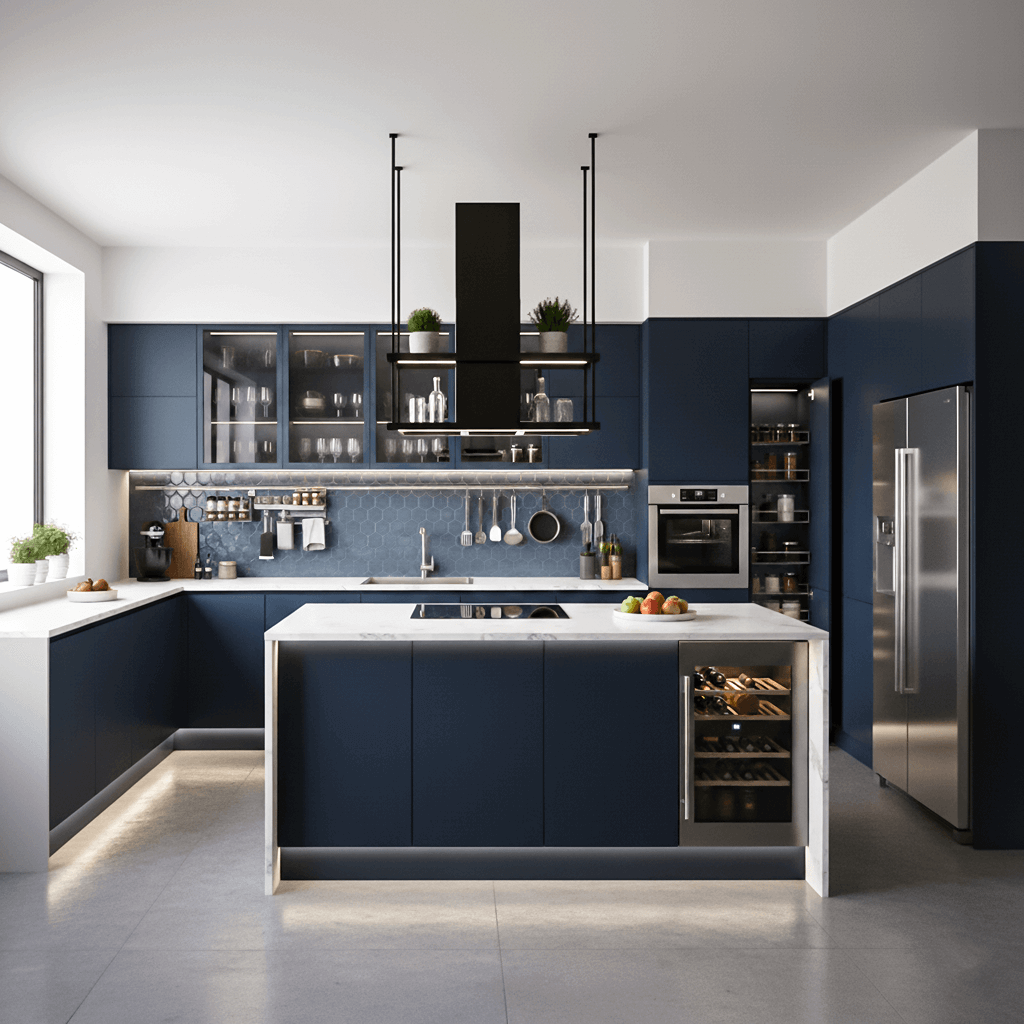
Just because the kitchen is modular doesn't mean it's cookie-cutter. Modern modular systems offer a range of finishes that includes laminates, acrylic, wood veneer, lacquer, and textured surfaces as well as choices in handle styles, worktop materials, and backsplash treatments. Homeowners can choose a minimalist slab-sided front for a contemporary look, a shaker profile for a classic feel, or mixed textures for a distinctive presence. The color palette, hardware finishes and lighting options all let you personalize the modular structure to match the home's interior design scheme and lifestyle.
3D Visualization: See your kitchen before you build it
3D visualization is a game-changer in kitchen renovation. High-quality 3D renders let homeowners test different layouts, colors, materials, and lighting scenarios long before any physical work begins. This reduces guesswork mistakes like incorrect cabinet height or awkward appliance placement can be caught and corrected in the digital model. Photorealistic renders help clients connect emotionally with designs, speeding up decision making and approval. Many design services now include interactive 3D walkthroughs so homeowners can virtually "stand" in the new kitchen and understand the scale and flow before committing. This technology-driven step minimizes costly on-site revisions and ensures that kitchen extension and renovation outcomes align perfectly with expectations.
Floorplan Expert Approach to Modular Kitchen Design
A professional approach to modular kitchen design combines accurate on-site measurements, carefully considered design planning and high-quality visuals. The typical process includes site survey and measurements, layout proposal tailored to the homeowner's needs, procurement of modular units and fittings, and 3D visualization to confirm finishes and ergonomics. When installers follow a precise plan, on-site assembly becomes efficient and reliable, a huge advantage compared to completely custom carpentry. A trusted expert will also advise on durable worktop materials, splashback options, lighting design and appliance positioning so that the finished kitchen is beautiful and long-lasting.

Redefining comfort, efficiency and style
Renovating an old kitchen into a modular kitchen is about more than aesthetics. It's a practical upgrade that redefines how you use the space every day. Modular solutions bring order, ergonomics and adaptability to the heart of the home, while modern finishes and integrated appliances elevate the overall look. Combined with modern kitchen extension design possibilities and 3D visualization tools, your cooking space can truly be redefined turning everyday functionality into timeless style and value.