
November 21, 2025
By
admin
Effective ways to Attract Buyers with Home Staging
When you put your home on the market, you're not just selling walls and floors, you're selling a lifestyle, a dream. Home staging is a powerful practice of presenting your space so that buyers can connect with it emotionally. Done well, staging can help your home sell faster and often for a higher price. Let's learn how to attract buyers with smart home staging with expert advice and how our home-as-is service can make the entire process easier.
1. Why home staging matters
Staging isn't just about making things look pretty, it's a marketing strategy. According to a study, staged homes often sell 73% faster than unstaged homes, and final offers can be 1-5% higher. Buyers commit emotionally when they can imagine themselves living in a space, and staging helps create that vision. Additionally, staging minimizes distractions. By clearing clutter and personalizing, you shift the focus away from your stuff and onto the space, increasing its power. Combined with a well-planned interior design plan, staging creates a powerful environment buyers connect with instantly.
2. First Impressions: Boost Curb Appeal
The journey to attracting buyers starts from the outside of your home. As expert stagers emphasize, curb appeal is important, it's the first thing potential buyers see, and it sets the tone.
Here are some key steps:
Here are some key steps:
- Landscaping: Mow the lawn, prune bushes, plant potted flowers or plant low-maintenance flowers.
- Cleaning: Power-wash driveways, walkways and exterior walls.
- Refresh the front door: Repaint the door a welcoming but neutral color, and update the hardware for an instant style lift.
- Lighting and Hardware: Add or upgrade outdoor lights, and make sure house numbers look clean and modern.
3. Declutter, depersonalize, and deep clean
These three steps are fundamental to effective staging.
- Declutter: Remove excess furniture, toiletries, knick-knacks and personal effects. A clean, open space looks bigger and more attractive.
- Personalize: Remove family photos, trophies, religious or political memorabilia. Let buyers reflect on their lives in the rooms.
- Deep cleaning: Every surface should be spotless windows, baseboards, appliances. Even small imperfections can give the impression of neglect.
- Eliminate odors: Avoid strong fragrances that can have adverse effects. Instead, aim for a subtle refresh.
4. Use neutral colors and stylish, yet simple decor
Neutral doesn't mean boring. But it's meant to be broadly appealing.
- Neutral palette: Use soft white, beige, greige (grey + beige), these tones help make spaces feel calm and spacious.
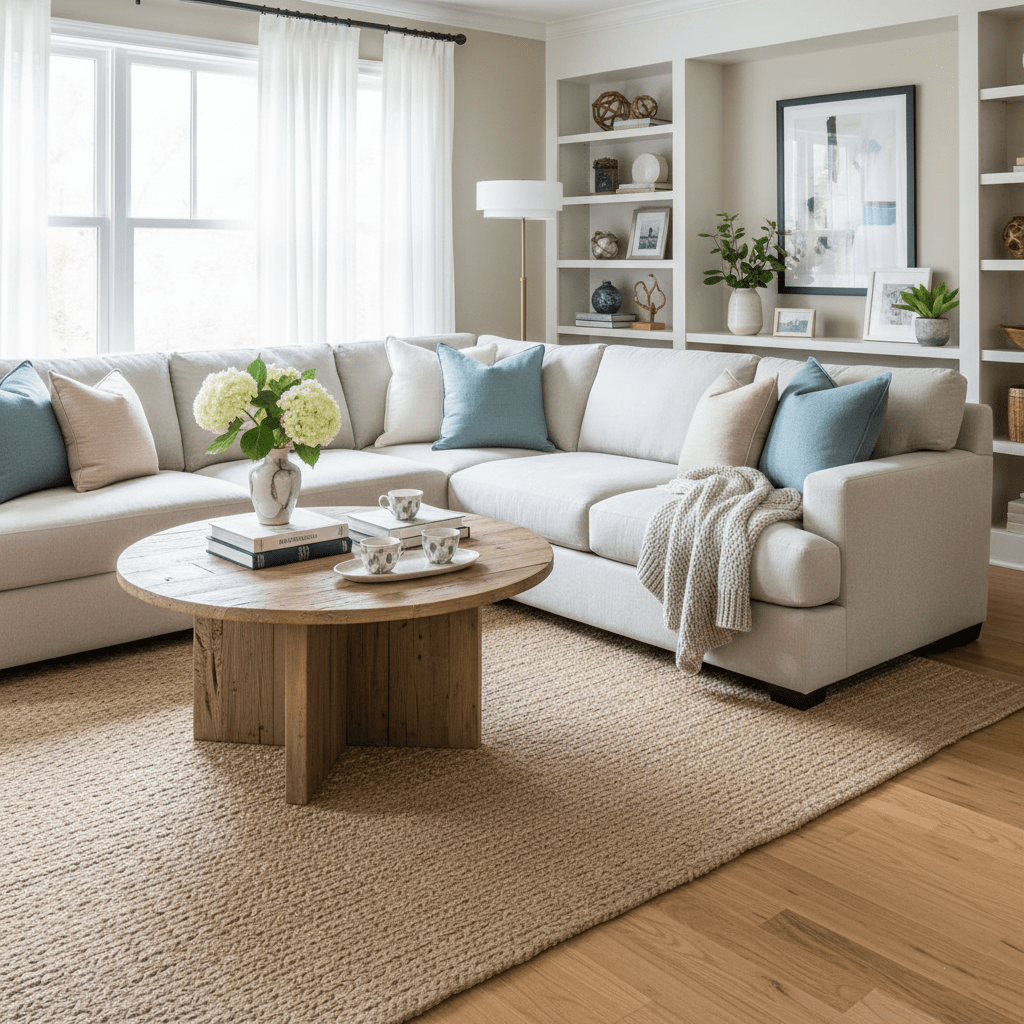
- Balanced decor: Choose textures and materials that are beautiful but not overly flashy. For example, velvet pillows, linen curtains, or wood furnishings can elevate a room without alienating buyers.
- Avoid over-the-top individuality: Bold or overly distinctive decor (bright murals, too-loud art) can distract buyers instead of helping them imagine themselves in the home.

5. Highlight key features and define the room's purpose
One of the most effective staging strategies is to draw the buyer's attention to the home's best features and give each room a clear purpose.
- Highlight architectural features: Arrange furniture to draw attention to fireplaces, large windows, built-in shelves, or interesting flooring.
- Purposeful rooms: Make sure each room has a defined function. If there's a spare room, set it up as a home office, reading room or guest bedroom.
- Use lighting smartly: Combine natural light with well-placed lamps. Mirrors help reflect light and make spaces feel brighter and larger.
6. Invest in lighting and high-end details
Good lighting can dramatically change the ambiance of a room. Here's how to do it right:
- Elegant fixtures: Even budget-friendly light fixtures can look high-end. Choose modern, clean lines that look sophisticated.
- Layer lighting: Use overhead lights, table lamps, and floor lamps to create a warm and inviting ambiance.
- Strategic positioning: Place lights to emphasize architectural features or cozycorners. A chandelier or pendant in the right place can make a statement.
7. Keep things realistic, but inspiring
While the staging should be elevated, it should not mislead.
- Avoid trendy overload: Some design trends can alienate buyers. For example, overly bold wallpaper or heavily textured walls can be polarizing.
- Small repairs matter: Fix chipped paint, squeaky doors or loose handles. These little touches show attention to detail.
- Coherent aesthetics: Make sure the styling and decor make sense in all rooms, a unified look helps create a cohesive effect.

8. Use sensory staging, light, scents and textures
Attract more than just the eyes. Sensory staging creates emotional connections.
- Natural light: Open curtains, clean windows and place mirrors to maximize sunlight.
- Soft scents: Light, welcoming scents, use light candles or diffusers. Avoid anything strong that suggests you're hiding an odor.
- Tactile touch: Simple textiles like blankets, pillows, or rugs, items that invite touch make rooms feel warm and livable.
9. Maintain staging throughout the sales process
Staging is not a one-time job, once you do staging, you have to maintain it:
- Routine maintenance: Clean up before performances, keep surfaces clean, and repair any wear and tear.
- Flexible Display: Make the home available and easy to furnish. Allow shoppers to move around freely without distractions.
- Virtual tours: Platform for both physical viewings and online photo/virtual tours. Many buyers begin their search digitally.
10. The power of the professional touch (if necessary)
While DIY staging can work wonders, professionals bring experience, access to rental furniture, and a trained eye. Although it has a cost (for furniture rental, stager fees, etc.), many sellers make up for it with faster sales and higher offers.
Luxury staging, in particular, benefits from curated furnishings, neutral palettes and polished lighting. Even a one-time professional staging can make a big difference in how buyers see your home.

11. Why combine staging with home-as-is?
- Cost-Effective: Instead of spending on major renovations, you allocate budget for staging which has been shown to sell your home faster.
- Realistic Appeal: We do not hide issues, but showcase what is good. Buyers get a transparent approach as well as a perspective.
- Faster Selling: With staging, even a home that is "as is" can feel move-in ready, reducing the time it takes to get on the market.
- Maximize Value: Staging increases the appraised value of your property, leading to better offers, even if it is sold as it is.
- We inspect your property and identify high impact areas (living room, kitchen, master bedroom, etc.).
- We recommend furniture rentals, accessories, color changes, and lighting improvements all within a realistic staging budget.
- We coordinate the staging setup, maintain it during the listing, and help keep it in top shape for showing.
- The home is marketed both online and offline, staging virtual tours, photos, and open houses.
How it works:
12. Common Mistakes to Avoid
Even staging has pitfalls. Here's what expert stagers warn against:
- Excess of furniture: Too much furniture can make the room look small and cluttered.
- Strong scents or perfumes: These can be unpleasant and sometimes make buyers suspect you're hiding something.
- Wrong color trends: Too bold or trendy designs (like loud wallpaper) can alienate buyers.
- Ignoring minor repairs: Things like chipped paint or loose handles may seem minor, but they matter.
- Pausing during the showing: It is better to step outside so that buyers can freely imagine the space as their own.
13. Attract Buyers, Win Sales
At the end of the day, home staging isn't an expense, it's an investment. By focusing on curb appeal, cleanliness, neutral design, purposeful rooms, and sensory touch, you help buyers form an emotional bond with your home. That bond could translate into quick sales and strong offers. When you combine this with our Home-As-Is service, effectively selling your home in its current condition, you create a powerful strategy that balances authenticity, appeal and value.
If you're ready to make your property stand out, connect with us to learn how Home Staging + Home-as-Ease can work for you. Let us help you attract the right buyers and close the deal with confidence.