
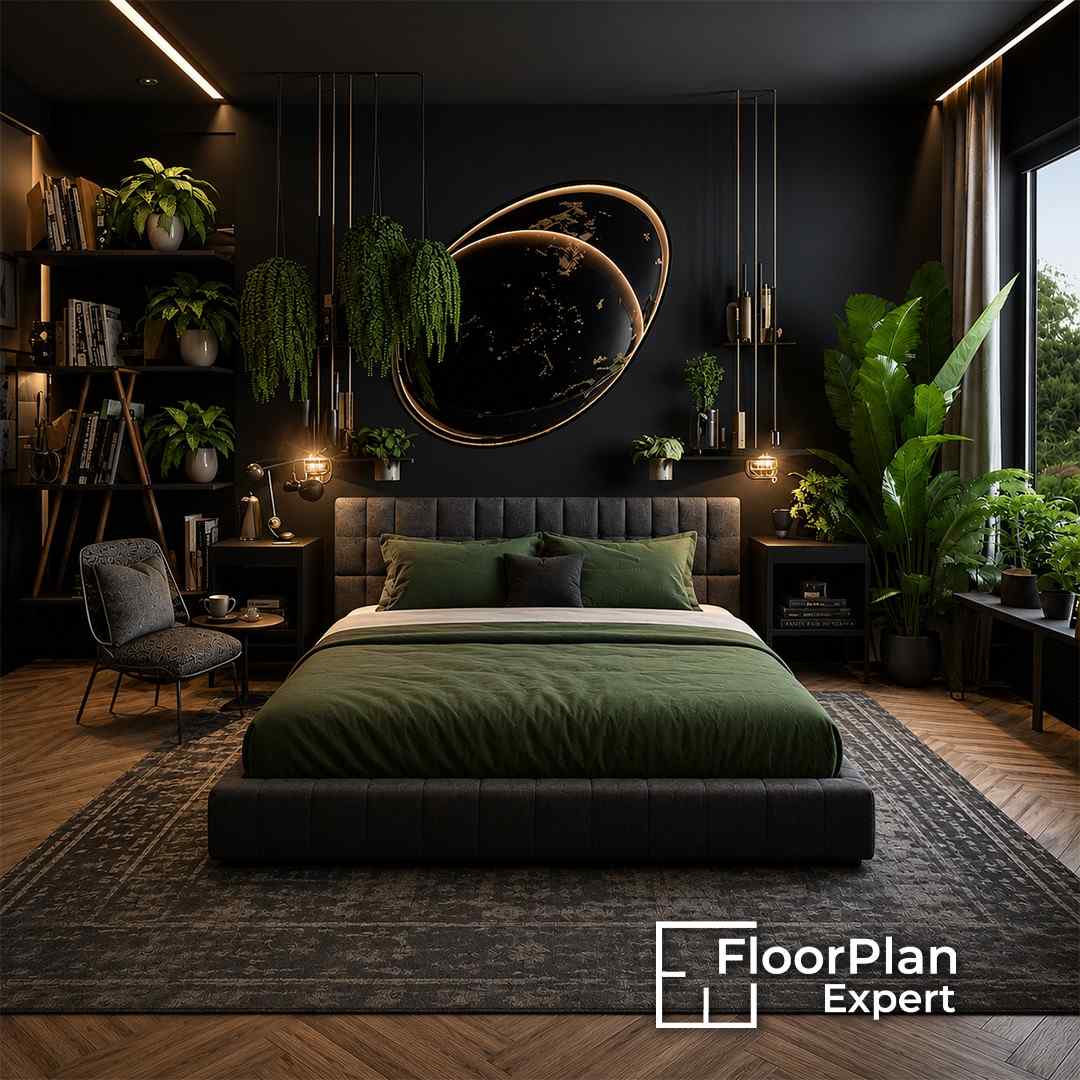
The best dark paint colours for home include deep charcoal, navy blue, forest green, rich brown, and classic black. These shades add depth, warmth, and sophistication while creating a striking contrast with lighter décor. When paired with the right lighting and furnishings, dark paint colours can make any room feel stylish, inviting, and timeless.
Light paint colours have long been considered the safer option because they reflect more natural daylight and can make rooms appear brighter. For this reason, many homeowners believe that darker shades are only suitable for large homes with plenty of natural light.
In reality, interior designers frequently use dark colours to add depth, highlight architectural features, and create a more cohesive look, rather than simply focusing on making a space feel brighter.
One of the most widespread myths is that dark paint automatically makes a room feel smaller. Although darker shades absorb more light than lighter colours, the way a space is perceived is influenced by several other factors, including furniture placement, lighting, ceiling height, and the amount of natural daylight the room receives.
A well-designed room finished in a rich dark shade can often feel more inviting and visually balanced than one decorated in bright white. Dark walls have the ability to soften corners and minimise strong visual contrasts, creating a greater sense of depth rather than making the room feel confined.
Instead of concentrating only on the intensity of the paint colour, homeowners should also consider:
- Natural light levels.
- Room proportions.
- Ceiling height.
- Window placement.
- Decorative finishes.
These factors have a much greater influence on how the completed space feels than the paint colour alone.
How to Choose the Best Dark Paint Colours for Home
Choosing the best dark paint colours for home involves understanding how different shades respond to changing lighting conditions rather than simply selecting the darkest colour available. Every dark paint has subtle undertones that become more visible once it is applied across larger wall surfaces.
Two paint colours may both look charcoal on a sample card, but once applied to a wall, one may reveal blue undertones while another appears more brown or green.
Understanding undertones helps homeowners coordinate:
- Flooring.
- Furniture.
- Curtains.
- Decorative accessories.
- Metal finishes.
Selecting undertones that complement one another creates a more cohesive interior while reducing the risk of colours appearing unexpectedly cool or muddy.
Natural light shifts throughout the day, so the same dark paint colour can appear noticeably different from morning through to evening.
When choosing dark paint colours for small rooms, it is important to consider:
- North-facing rooms, which often highlight cooler undertones.
- South-facing rooms, which enhance warmer tones.
- Artificial lighting during the evening.
- Seasonal daylight changes.
Testing paint colours within the actual room will always provide a more accurate result than relying only on colour charts.
Best Dark Paint Colours for Living Rooms
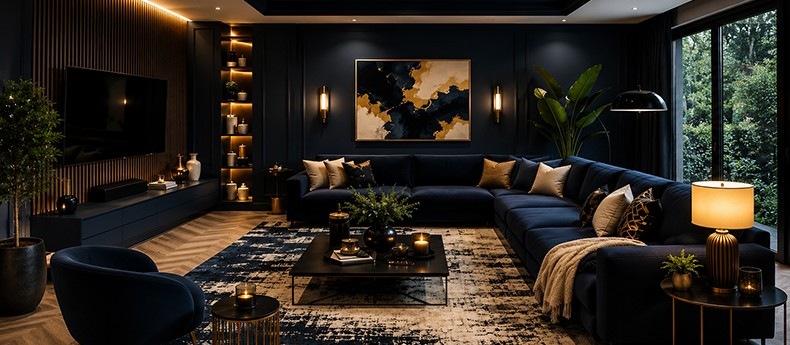
Living rooms are one of the most popular areas for using darker colour palettes because they create a warm and inviting atmosphere. Rich shades also provide an ideal backdrop for artwork, soft furnishings, and statement lighting.
Well-planned dark paint ideas for living room spaces aim to achieve visual balance rather than covering every surface in dark paint.
Living rooms with large windows receive more natural daylight, allowing darker wall colours to appear rich and sophisticated instead of heavy or overpowering.
Large windows also help:
- Enhance colour depth.
- Highlight architectural features.
- Improve contrast with lighter furnishings.
- Create stronger indoor-outdoor connections.
Even in more compact living rooms, carefully planned lighting can create the same warm and welcoming atmosphere.
The paint finish is nearly as important as the colour itself.
Different sheen levels create different visual effects:
- Matt finishes absorb light, creating a soft and contemporary look.
- Eggshell provides improved durability with very little reflection.
- Satin finishes offer a gentle sheen that works well in high-traffic spaces.
- Gloss finishes reflect much more light and produce bold visual contrasts.
Most interior designers prefer lower-sheen finishes for dark walls because they create a deeper, more refined, and elegant appearance.
The Best Dark Greens for Home Interiors
Among all paint colour families, green continues to be one of the most versatile options for modern interiors. Rich olive, forest, and heritage green shades complement both classic and contemporary homes while pairing effortlessly with natural materials.
Many interior designers regard green as one of the best dark paint colours for home because it adapts beautifully to changing light throughout the day without feeling overwhelming.
Dark green is highly versatile because it takes inspiration from natural surroundings, creating a calm and welcoming atmosphere instead of an overly dramatic look. It pairs exceptionally well with timber flooring, stone surfaces, brass fittings, and neutral fabrics while adding depth and character to almost any interior.
Dark green is particularly effective in:
- Living rooms.
- Dining rooms.
- Home libraries.
- Bedrooms.
- Hallways.
Its flexibility allows it to complement a wide variety of interior design styles.
The direction a room faces has a significant impact on how green paint appears throughout the day.
- North-facing rooms tend to highlight cooler undertones, causing green shades to look deeper and more subdued.
- South-facing rooms receive warmer natural light, allowing green tones to appear richer with a softer overall appearance.
Understanding these differences in lighting helps homeowners select a shade that looks attractive and balanced from morning through to evening.
The Best Dark Blues and Navys
Blue has always been recognised for its calming, elegant, and timeless appeal, while deeper shades such as navy and midnight blue offer even greater flexibility. These rich tones create sophisticated interiors without feeling overwhelming, making them an excellent choice for both traditional and contemporary homes.
Many interior designers consider navy one of the best dark paint colours for home because it adds depth while pairing effortlessly with a wide variety of finishes and furnishing
Unlike black, navy introduces depth and character while maintaining a bold, refined appearance. It absorbs natural light gracefully, creating a visual sense of depth that allows walls to recede instead of dominating the room.
For dark paint ideas for living room, navy works particularly well because it:
- Adds warmth without feeling overly heavy.
- Complements both contemporary and traditional interiors.
- Enhances artwork and decorative details.
- Creates an elegant backdrop for neutral furniture.
- Performs equally well in open-plan and enclosed spaces.
Layering different textures, such as linen, velvet, and timber, prevents the space from feeling flat while enhancing the richness of the colour.
One of the reasons navy remains a popular choice is its ability to pair beautifully with warm metallic finishes. Brass, bronze, and antique gold introduce warmth that balances the cooler undertones of blue, creating a welcoming and well-balanced interior.
Other complementary materials include:
- Natural oak furniture.
- Walnut finishes.
- Cream upholstery.
- Stone fireplaces.
- Soft wool textiles.
Together, these elements create a sophisticated colour palette that feels luxurious while remaining comfortable and inviting.
The Best Dark Neutrals - Charcoal and Off Black
For homeowners looking to create a dramatic interior without introducing bold colours, charcoal and off-black shades offer a timeless solution. These dark neutral tones suit a wide range of interior styles and continue to look elegant even as design trends change over time.
Instead of creating harsh contrasts, they add understated depth while allowing furniture, artwork, and architectural details to become the main focal points.
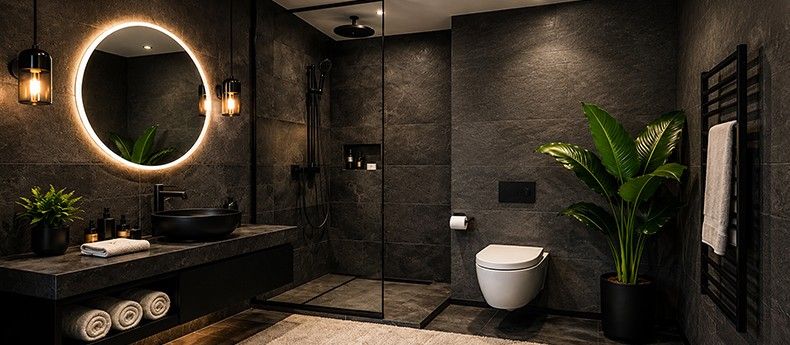
Among the best dark paint colours for home, charcoal is often regarded as one of the easiest choices because it responds well to changing natural light and complements almost every decorating style.
Charcoal offers several advantages:
- Softer than pure black.
- Coordinates with warm and cool palettes.
- Hides minor wall imperfections.
- Creates strong contrast with white woodwork.
- Ages gracefully as décor changes.
Despite the common misconception, dark paint colours for small rooms do not have to feel overwhelming when neutral shades are selected thoughtfully. Charcoal and off-black can soften the edges of a room by blurring the boundaries between walls, making corners less defined while creating a warm and cocooning atmosphere.
To maintain a balanced look:
- Introduce layered lighting.
- Use mirrors to reflect daylight.
- Add lighter flooring or rugs.
- Incorporate natural textures.
- Keep accessories simple and uncluttered.
These design choices help prevent dark neutral colours from overpowering smaller spaces.
What to Paint Dark and What to Leave Light
One of the most important decisions when decorating with dark colours is deciding which parts of the room should be painted. While some interiors benefit from an immersive colour scheme, others achieve a better sense of balance by pairing dark walls with lighter architectural features.
The best approach depends on the size of the room, the amount of natural light it receives, and the overall look you want to achieve.
Painting all four walls in the same dark shade creates a unified, enveloping look that often makes the space feel more sophisticated. By comparison, a feature wall draws focus to one specific area but can leave the remaining walls feeling less connected if the overall design is not carefully considered.
Each approach offers different benefits:
Four dark walls
- Creates a seamless appearance.
- Softens room corners.
- Enhances intimacy.
- Provides a luxurious atmosphere.
Feature wall
- Highlights fireplaces or media walls.
- Introduces colour more gradually.
- Works well in rooms with limited natural light.
- Allows easier future redecorating.
Choosing between these options should be based on the atmosphere you want to create rather than following a single decorating guideline.
Many successful dark paint ideas for living room pair rich wall colours with lighter ceilings and woodwork. This combination helps retain brightness overhead while allowing the walls to introduce depth, warmth, and character.
A balanced colour scheme may include:
- Dark walls.
- White or soft off-white ceilings.
- Light skirting boards.
- Natural timber flooring.
- Neutral upholstery.
These combinations create visual contrast while preventing the room from feeling overly heavy or enclosed.
How to Test Dark Paint Before Committing
Even the most attractive paint colour can look very different once it is applied to your walls. Factors such as lighting, room orientation, and surrounding finishes all affect the final appearance, making paint testing an essential step before decorating an entire room. Testing samples helps save both time and money by reducing the risk of expensive repainting later.
Small paint swatches rarely display the true richness or undertones of dark colours. Applying a larger sample to the wall allows homeowners to see how the shade responds to changing light throughout the day.
When testing paint:
- Apply samples to multiple walls.
- Observe them in morning and evening light.
- Compare artificial and natural lighting.
- View alongside flooring and furniture.
- Leave the sample for several days before deciding.
This method provides a far more accurate impression than choosing a colour directly from a paint chart.
Testing becomes even more important when selecting dark paint colours for small rooms, as limited natural light can greatly affect how darker shades appear.
Rather than making a decision immediately after applying the paint, assess it:
- On sunny days.
- During overcast weather.
- With lamps switched on.
- At different times of the day.
- Alongside curtains and furnishings.
Only after viewing the colour under a variety of lighting conditions can you confidently decide whether it creates the atmosphere you want to achieve.
Conclusion
Choosing the best dark paint colours for home involves much more than picking a bold or dramatic shade. The final result is influenced by undertones, lighting, room orientation, and the type of finish, all of which affect how the colour appears once it is applied. When these elements are carefully considered, dark paints can bring warmth, depth, and sophistication that lighter shades often cannot achieve.
Whether you’re looking for dark paint ideas for living room spaces or considering dark paint colours for small rooms, thoughtful planning makes all the difference. Testing colours thoroughly, pairing dark walls with complementary finishes, and selecting shades that suit the natural light in your home will help you create interiors that feel elegant, welcoming, and timeless.
FAQs
What are the best dark paint colours for home interiors?
Popular choices include deep greens, navy blues, charcoal greys and soft off-blacks. These shades provide depth and elegance while working across a variety of interior styles.
Do dark paint colours make small rooms look smaller?
Not necessarily. When paired with good lighting, balanced furnishings and appropriate undertones, dark paint colours for small rooms can create a cosy, sophisticated atmosphere rather than making the space feel cramped.
Which dark colour is best for a living room?
Navy, deep green and charcoal are among the most popular dark paint ideas for living room because they add warmth and depth while complementing both modern and traditional decor.
Should I paint all four walls dark or just one feature wall?
It depends on the desired effect. Painting all four walls creates a cohesive and immersive look, while a feature wall introduces contrast and works well for those who prefer a more subtle approach.
How should I test dark paint before decorating?
Apply large paint samples to several walls and observe them throughout the day under both natural and artificial lighting. Viewing the colour alongside your flooring, furniture and fabrics will help you choose the most suitable shade with confidence.


