
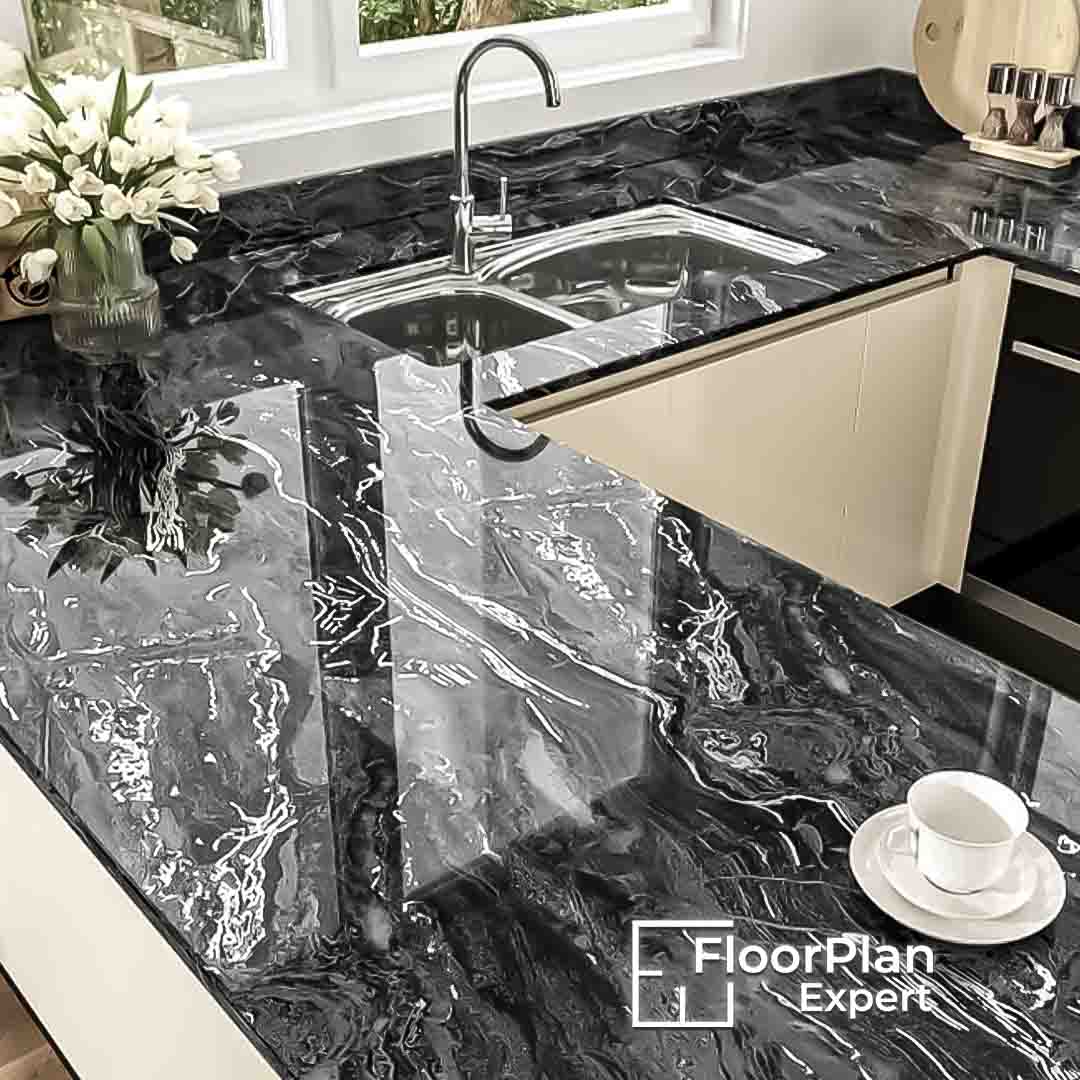
Choosing the best kitchen worktop is one of the most significant decisions you’ll make when renovating your kitchen. It serves as the main surface for everyday cooking, meal preparation, hosting family and friends, and managing a wide range of daily household activities. Although the colour and finish often influence first impressions, the ideal worktop should suit the way you live and use your kitchen just as much as it enhances the overall design.
It’s tempting to choose a kitchen worktop based purely on its appearance. Since it covers a large part of the kitchen and naturally draws attention, it’s often one of the first features people notice. However, a worktop that looks impressive in a display kitchen isn’t always the most practical option for your everyday routine.
Your cooking habits should play a much bigger role in the decision. If you bake frequently, you’ll likely benefit from a surface that stays cool and offers enough room for rolling pastry or dough. For busy households preparing several meals a day, easy maintenance, stain resistance, and durability are often more valuable than appearance alone. On the other hand, if your kitchen is used mainly for light cooking or entertaining, aesthetics may take priority over heavy-duty performance.
The best kitchen worktop is one that works with your lifestyle instead of demanding constant care or restricting how you use the space. Before narrowing your choice by colour, pattern, or finish, take a moment to think about how your kitchen is used every day.
Consider questions such as:
- How frequently do you cook at home?
- Do you prepare most meals from scratch?
- Will children be using the kitchen regularly?
- How much ongoing maintenance are you willing to do?
- Is your kitchen designed mainly for cooking, socialising, or both?
When you choose a worktop that reflects the way you actually live, you’ll enjoy a surface that performs well for years rather than one that simply looked good when it was first installed.
What Kitchen Worktop Materials Mean in Real Life
Choosing between different kitchen worktop materials is about much more than appearance or price. Every material behaves differently once it’s part of your everyday routine. Some are better suited to busy family kitchens, while others require more care to maintain their finish over time. The right choice depends on how you cook, clean and use your kitchen each day rather than simply following current design trends. Understanding how different materials perform in real-life situations helps you make a more informed decision, ensuring your worktop remains practical, durable and visually appealing long after the installation is complete.
Every kitchen worktop material has its own advantages as well as a few limitations. Although manufacturers often promote technical features and performance ratings, how well a surface performs in everyday life ultimately depends on the way it is used and maintained.
- Quartz is highly resistant to stains, making it an excellent choice for busy kitchens, but it isn’t intended to withstand extremely hot pots or pans placed directly on the surface.
- Natural granite performs exceptionally well when exposed to heat, although it benefits from occasional sealing to preserve its finish and long-term appearance.
- Solid wood brings a natural warmth and timeless character to a kitchen, but it requires regular maintenance to minimise moisture damage, scratches, and general wear.
- Laminate is one of the most budget-friendly kitchen worktop options available, yet it is typically more susceptible to chips and impact damage than many higher-end materials.
Rather than looking for a worktop that claims to excel in every area, it’s more practical to focus on the qualities that matter most for the way your household uses the kitchen. Long-term durability isn’t determined by a single feature, it’s achieved by selecting a material whose strengths align with your everyday cooking habits and maintenance expectations.
A kitchen worktop can seem like the perfect choice when it’s first installed, especially while everything is still new and untouched. However, its true performance only becomes apparent after several months of regular use.
Over time, fine scratches may develop in areas where chopping boards aren’t always used. Some materials can become marked by hot cookware or absorb stubborn food stains, while others may require far more maintenance than homeowners initially anticipated. These everyday challenges don’t usually appear immediately, which is why selecting a worktop based solely on its appearance can lead to frustration in the long run.
Before making your final decision, think beyond how the worktop will look on installation day. Consider how it will cope with daily cooking, frequent meal preparation, family gatherings, and years of regular use. A surface that continues to perform well while maintaining its appearance over time is often the smarter investment for your kitchen.
How Your Kitchen Layout Influences the Best Worktop Choice
A worktop that performs exceptionally well in a large open-plan space may not be the most suitable option for a smaller or more compact kitchen. Factors such as the room’s size, the amount of available work surface, the placement of appliances, and the way people move through the space all play an important role in how practical a worktop is for everyday use. By considering your kitchen layout before selecting a material, you can create a space that not only looks stylish but also offers better comfort, functionality, and efficiency for daily living.
The overall size and layout of your kitchen play an important role in deciding which worktop will be the most suitable. In smaller kitchens, every surface affects how open and functional the space feels, so selecting the right worktop is just as important as choosing the right cabinets or colour scheme.
Many small kitchen layout ideas aim to maximise the feeling of space rather than simply fitting in more features. Light-coloured worktops, fewer visible joints, and a continuous surface across different preparation areas can help create a brighter, more seamless look that makes the kitchen feel larger than it is.
A thoughtfully designed layout balances practicality with visual appeal, allowing the worktop to complement the space instead of making it appear cramped. When the layout and worktop are planned together, the result is a kitchen that feels both efficient to use and comfortable to spend time in.
One design feature that is often underestimated is surface continuity. Long, uninterrupted stretches of worktop create a smooth and cohesive look, allowing the eye to travel naturally across the kitchen and giving the space a more open, uncluttered feel.
Using too many different materials, bold colour contrasts, or frequent visible joins can break up the design and make even a large kitchen appear more crowded than it really is. Keeping the same worktop material across kitchen islands, breakfast bars, and food preparation areas helps achieve a more unified appearance while improving both practicality and visual balance.
Creating the impression of a larger kitchen isn’t always about adding more space. In many cases, it’s achieved by ensuring the design flows seamlessly from one area to another, resulting in a kitchen that feels brighter, more spacious, and better connected.
Why Open-Plan Kitchens Change the Way You Choose a Worktop
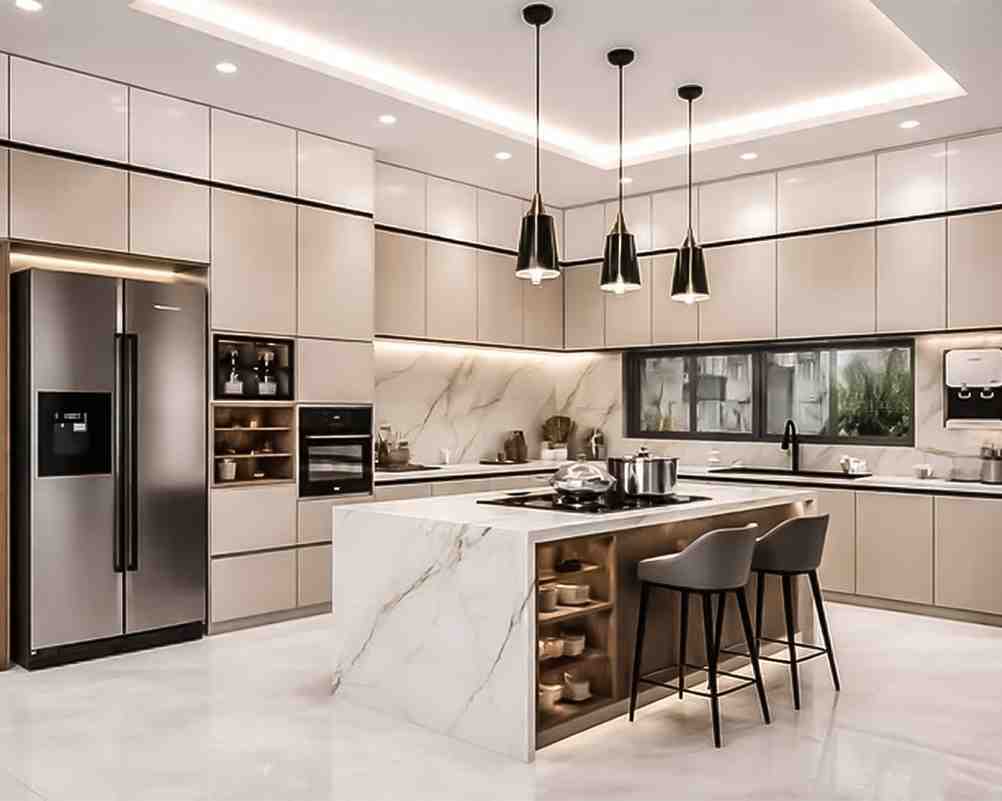
An open-plan layout changes the purpose of a kitchen worktop in a significant way. Rather than being confined to a dedicated cooking area, the kitchen becomes part of a larger shared living space, where every design decision contributes to the overall look and atmosphere of the home.
In this type of layout, a worktop needs to do more than complement the kitchen cabinets. It should also blend naturally with surrounding elements such as flooring, dining furniture, and adjacent living areas. As a result, selecting the right material becomes less about choosing a standalone finish and more about creating a cohesive design that connects the entire space visually and functionally.
A common mistake in open-plan homes is choosing a kitchen worktop without thinking about how it fits into the surrounding living areas. Because the kitchen remains visible from spaces such as the dining room and lounge, the worktop becomes more than a functional surface, it becomes a key design element that influences the appearance of the entire space.
For example, a high-gloss worktop may suit a contemporary kitchen but appear out of place alongside natural wood flooring or classic-style furniture. Similarly, a bold or heavily veined stone surface can dominate the room when paired with striking cabinetry or other decorative features, making the overall design feel visually busy.
The most effective open-plan kitchens are those that maintain a consistent design throughout the space. Rather than treating the kitchen as a separate area, the worktop should complement the colours, textures, and finishes used across the wider living environment. When these elements are carefully coordinated, the result is a home that feels harmonious, well-balanced, and thoughtfully designed instead of visually fragmented.
What Lighting Does to Every Material
Lighting plays a much bigger role in choosing the kitchen worktop than many homeowners realise. A material that looks bright and elegant in a showroom can appear completely different once it’s installed in your own kitchen. Factors such as the direction of natural light, the type of artificial lighting and even the time of day can all influence how colours, textures and finishes are perceived. Understanding how different kitchen worktop materials respond to changing lighting conditions helps you choose a surface that looks just as appealing at home as it did when you first selected it.
Lighting has a greater impact on a kitchen worktop than many homeowners expect. A surface that looks bright and attractive in a showroom can appear quite different once it’s installed in your home.
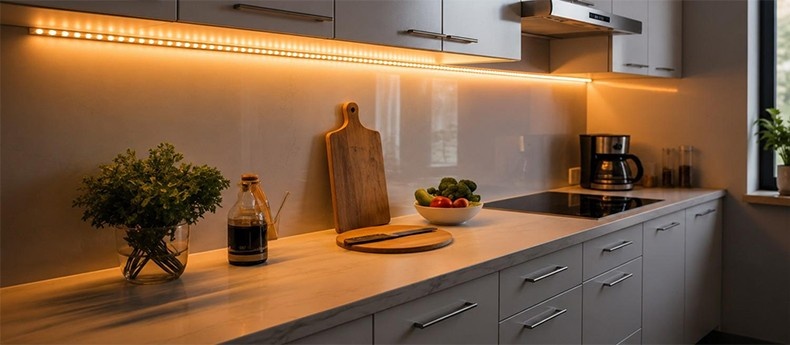
Natural daylight changes throughout the day, affecting the colour, texture, and pattern of a worktop. North-facing kitchens receive cooler light, which can make white and grey surfaces appear softer, while south-facing spaces bring out warmer tones and natural veining. Artificial lighting also changes the overall look, with warm LEDs creating a softer feel and cooler lighting making finishes appear brighter and more defined.
The type of finish also matters. Gloss worktops reflect more light, whereas matte surfaces absorb it, creating a more subtle appearance. That’s why showroom lighting doesn’t always provide a true representation of how a worktop will look in your kitchen.
Whenever possible, view material samples at home under both daylight and evening lighting before making a decision. A worktop that suits your home’s lighting conditions is more likely to look great for years to come.
Why the Cheapest Kitchen Worktop May Cost More in the Long Run
Choosing the most affordable kitchen worktop can lower your renovation costs initially, but it doesn’t always offer the best value over time. Budget-friendly materials may need replacing sooner or require more frequent repairs and maintenance, increasing the overall cost in the long term.
Some worktops are more prone to scratches, heat marks, or moisture damage, while others need regular sealing or ongoing care to maintain their appearance. Although premium materials usually come with a higher upfront price, they often last longer and retain their quality with fewer repairs. Rather than focusing only on the initial purchase cost, consider how your worktop is likely to perform over the next 10 to 15 years. Its durability, maintenance needs, and lifespan all play an important role in determining its true long-term value.
There’s no single best kitchen worktop for every budget. The right choice depends on balancing performance, appearance and long-term value.
- Entry-level budgets often favour quality laminate, offering attractive designs, easy maintenance and good everyday performance.
- Mid-range budgets commonly include solid wood or engineered quartz, providing improved durability and a more premium finish while remaining practical for daily use.
- Higher-end budgets frequently lean towards natural stone, porcelain or premium quartz surfaces that combine exceptional durability with timeless aesthetics and minimal maintenance.
Rather than choosing the most expensive option available, focus on selecting a worktop that offers the right balance between functionality, maintenance and lifestyle requirements.
How Kitchen Worktop Materials Perform in Busy Family Homes
The demands placed on a kitchen worktop in a busy family home are very different from those in a household with just one or two people. Daily cooking, children’s activities, food spills, pet bowls, and constant use mean the surface needs to handle much more than simple meal preparation.
Families often benefit from worktop materials that are resistant to stains, scratches, and everyday wear while being easy to clean and maintain. Homes with pets may also prefer surfaces that can withstand regular exposure to water around feeding areas without requiring frequent upkeep.
When comparing kitchen worktop materials, think about how your household uses the kitchen each day rather than how carefully the surface will be treated. A worktop that suits your family’s daily routine is likely to deliver better long-term value than one chosen mainly for its appearance.
Conclusion
Choosing the best kitchen worktop is about more than selecting a material that looks good. The right choice should suit the way you cook, fit your kitchen layout, and support your household’s everyday needs. While appearance is important, long-term satisfaction comes from finding the right balance between durability, practicality, and style.
By understanding how different kitchen worktop materials perform and considering factors such as lighting, budget, small kitchen layouts, and open-plan living, you can make a more informed decision. Taking the time to compare samples in your own home, rather than relying only on showroom displays, will help you choose a worktop that continues to look great and perform well for years to come.
FAQs:
- What is the best kitchen worktop material?
The best material depends on your budget, cooking habits, maintenance preferences, and kitchen layout.
- Which kitchen worktop is the most durable?
Quartz, porcelain, and granite are among the most durable worktop materials for everyday use.
- Which kitchen worktop requires the least maintenance?
Quartz and laminate are popular low-maintenance options that are easy to clean and care for.
- Does kitchen lighting affect how a worktop looks?
Yes. Natural and artificial lighting can change how the colour, texture, and finish of a worktop appear.
- Should I choose a worktop based on price or quality?
Focus on long-term value rather than upfront cost. A durable worktop can save money on repairs and replacement over time.


